
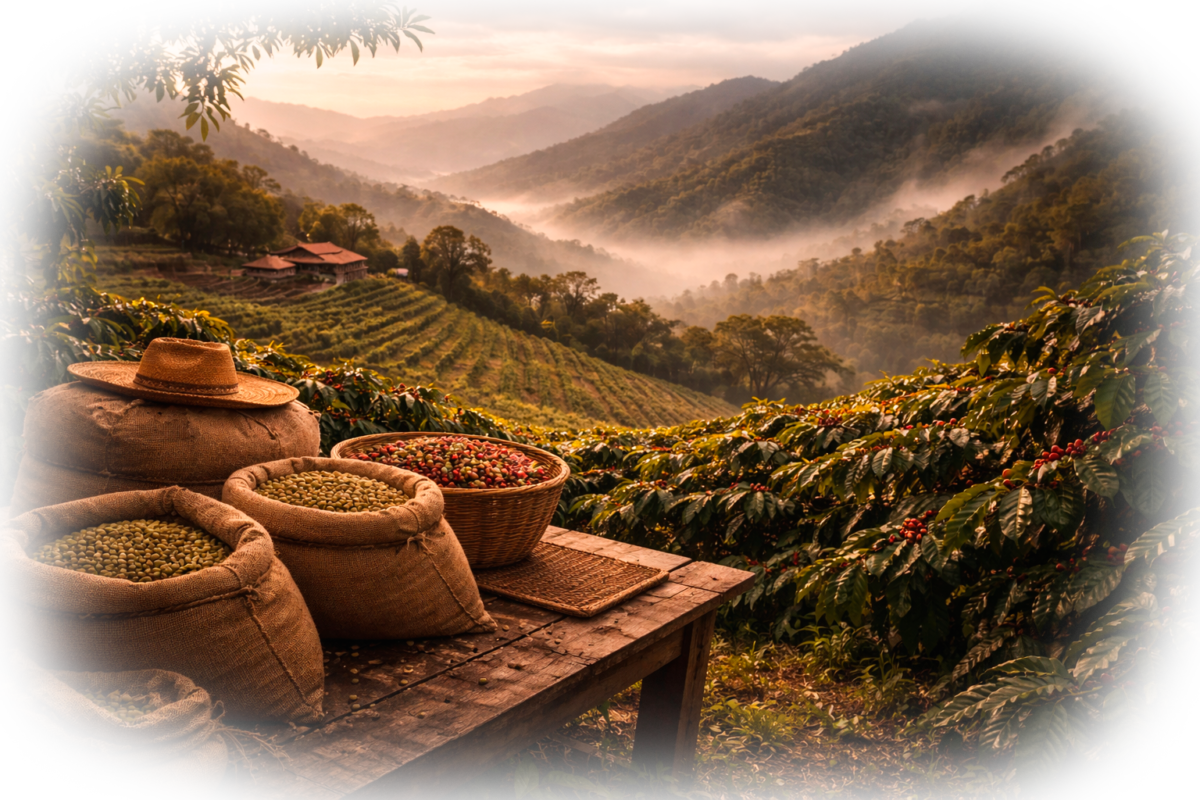
Colombian Coffee Regions:
Terroir, Altitude, and What Makes Each Region Unique
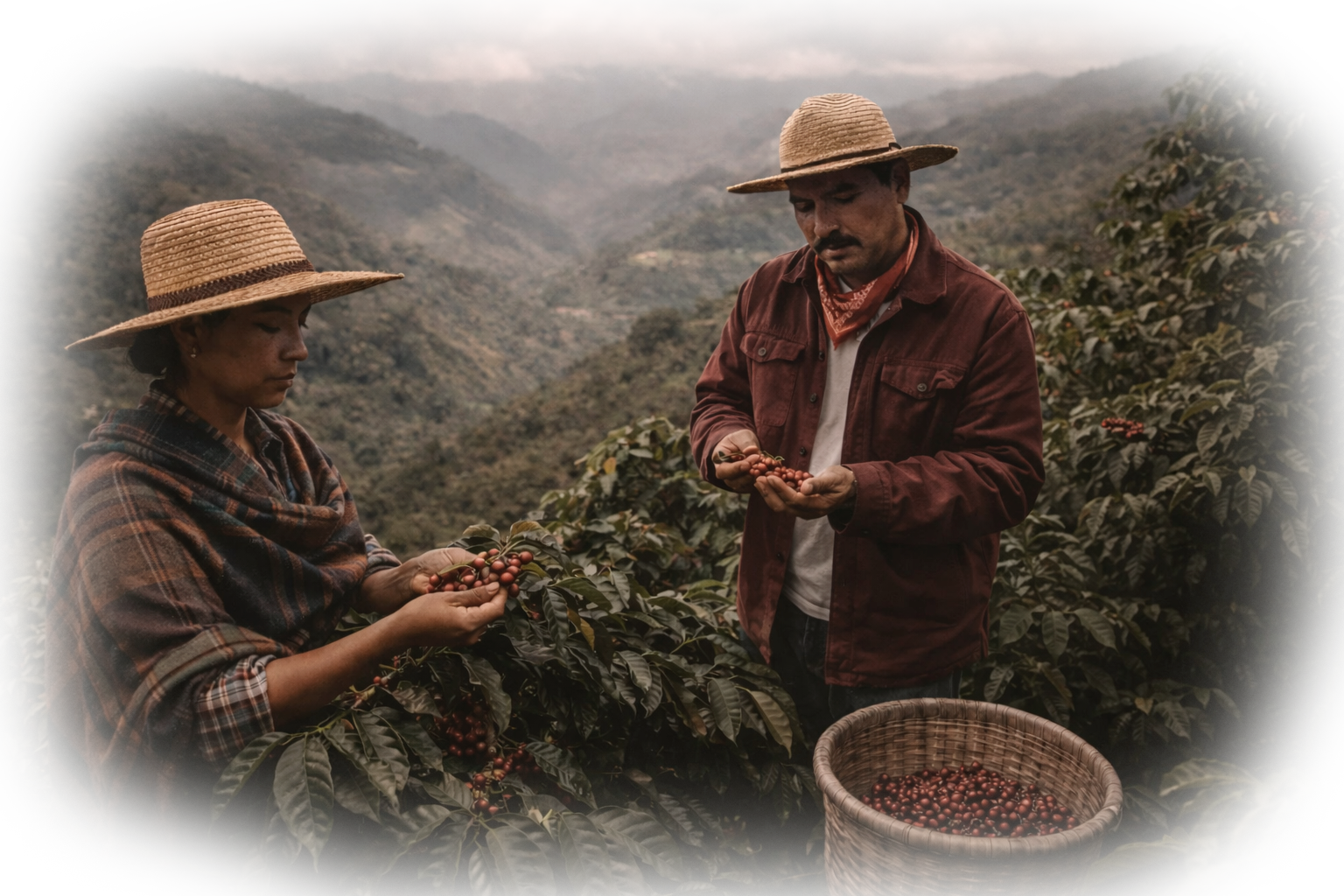
Colombian Coffee Isn’t One Flavor
People say “Colombian coffee” like it’s a single thing.
It isn’t.
Colombia is a long mountain spine crossing the equator. Three Andean ranges. Dozens of climates. Different soils. Different harvest calendars.
So when someone asks what Colombian coffee tastes like, the honest answer is simple.
Depends where it comes from.
Once you start paying attention to region, altitude, and terroir, the map begins to make sense.
And the cup starts speaking more clearly.
Why Region Matters in Colombian Coffee
Coffee is an agricultural product.
Like wine grapes.
Where it grows changes how it behaves.
Three quiet factors shape most of the character in Colombian coffees:
• climate patterns
• soil composition
Together they influence:
-
acidity structure
-
sweetness development
-
aromatic complexity
Different regions combine those elements differently.
That’s where the personality comes from.
The Three Main Coffee Zones in Colombia
Colombia’s coffee belt stretches along the Andes.
But in practical terms, most specialty buyers talk about three broad zones.
| ZONE | LOCATION | GENERAL CHARACTER |
| Northern Colombia | Sierra Nevada, Santander | Balanced, nutty, chocolate |
| Central Colombia | Antioquia, Caldas, Risaralda, Quindío | Classic Colombian profile |
| Southern Colombia | Huila, Nariño, Cauca | Bright acidity, complex aromatics |
Each zone has its own rhythm of climate and harvest.
Let’s walk through them.
Northern Colombia: Quiet, Balanced Coffees
Northern regions sit closer to the Caribbean climate influence.
Harvests tend to be slightly earlier.
Temperatures stay relatively stable.
Key Northern Regions
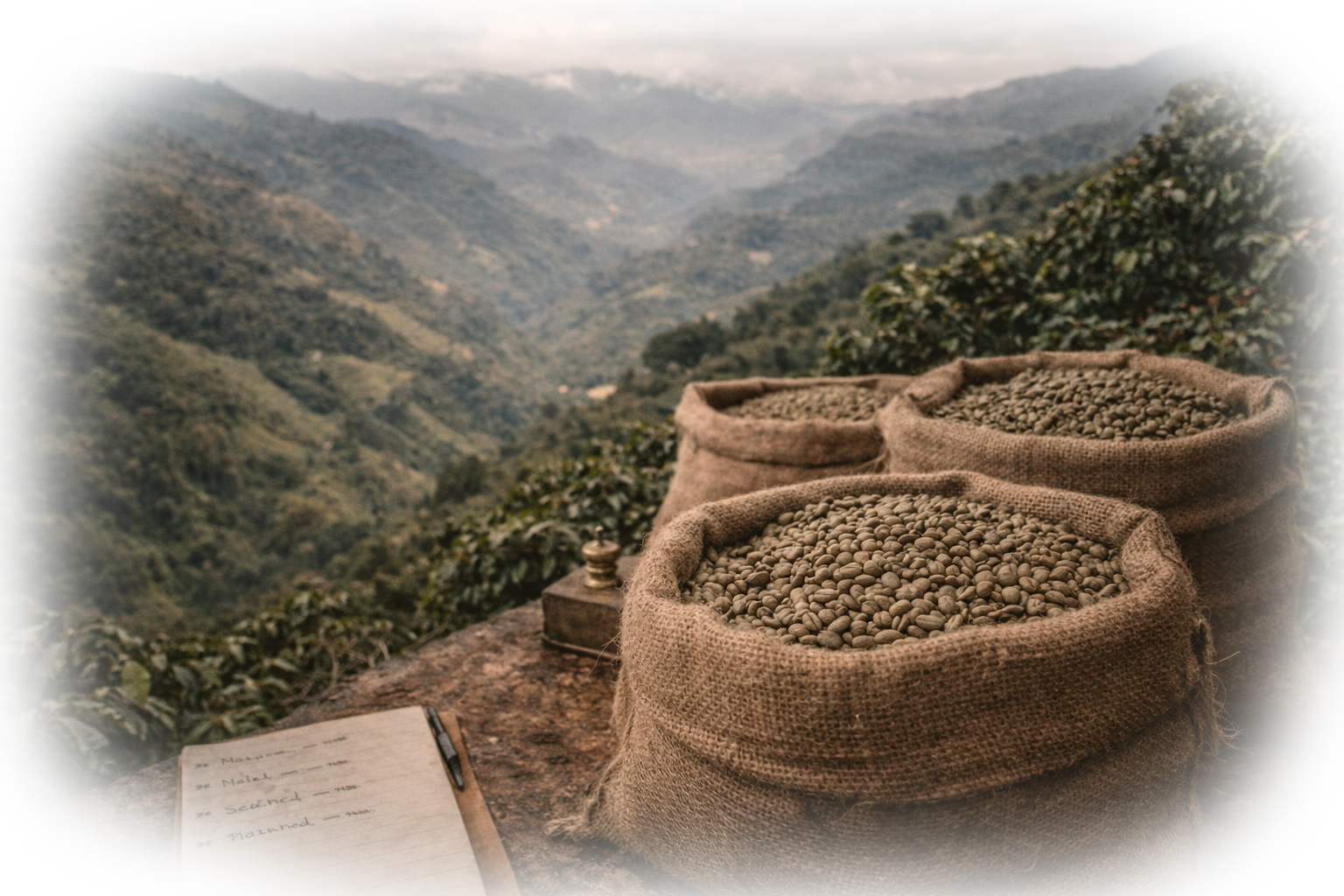
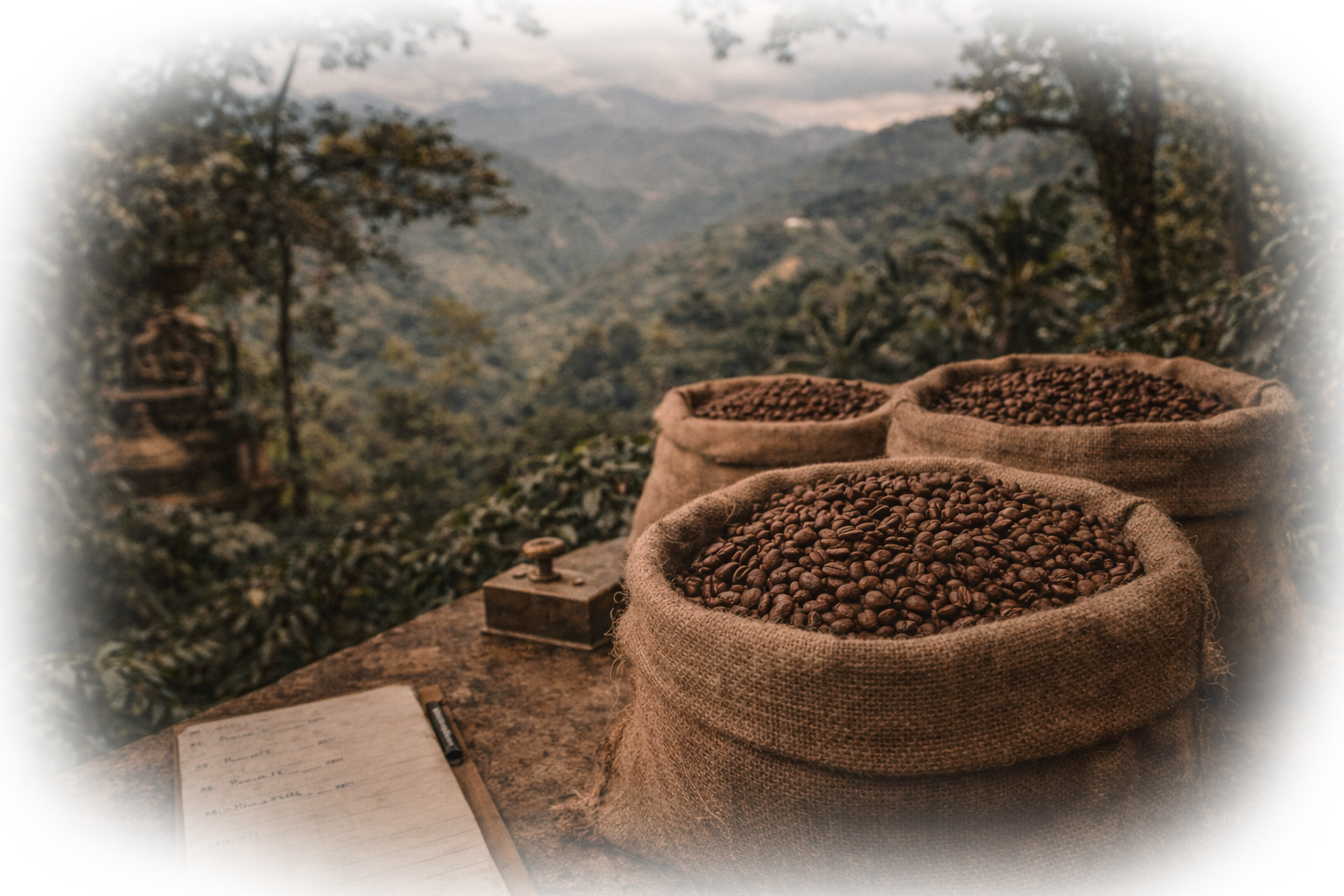
Sierra Nevada
High mountains rising straight from the Caribbean coast.
Coffee grows under shade, often in small indigenous farms.
Typical cup profile:
• cocoa
• caramel sweetness
• soft citrus acidity
Santander
One of Colombia’s oldest coffee regions.
Often grown under shade trees with slower maturation.
Typical cup profile:
• chocolate
• toasted nuts
• medium body
These coffees tend to be steady and balanced.
The kind of coffee roasters rely on when they want structure.
Central Colombia: The Classic Profile
Central Colombia is what many people imagine when they picture Colombian coffee.
Rolling hills.
Consistent rainfall.
Well-developed coffee infrastructure.
Regions That Shape the Classic Profile
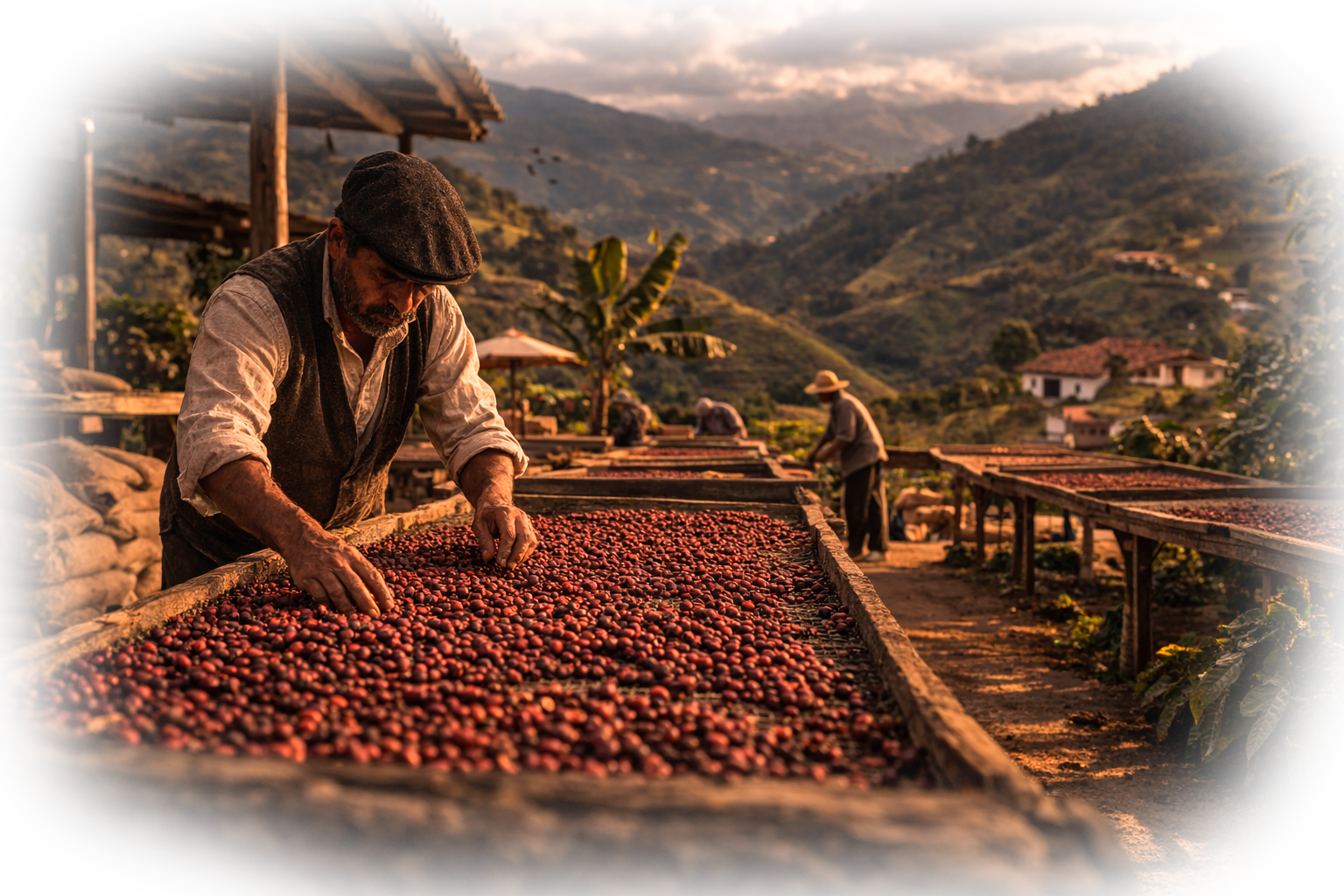
Antoquia
Large production, reliable quality.
Flavor profile often shows:
• milk chocolate
• brown sugar
• balanced acidity
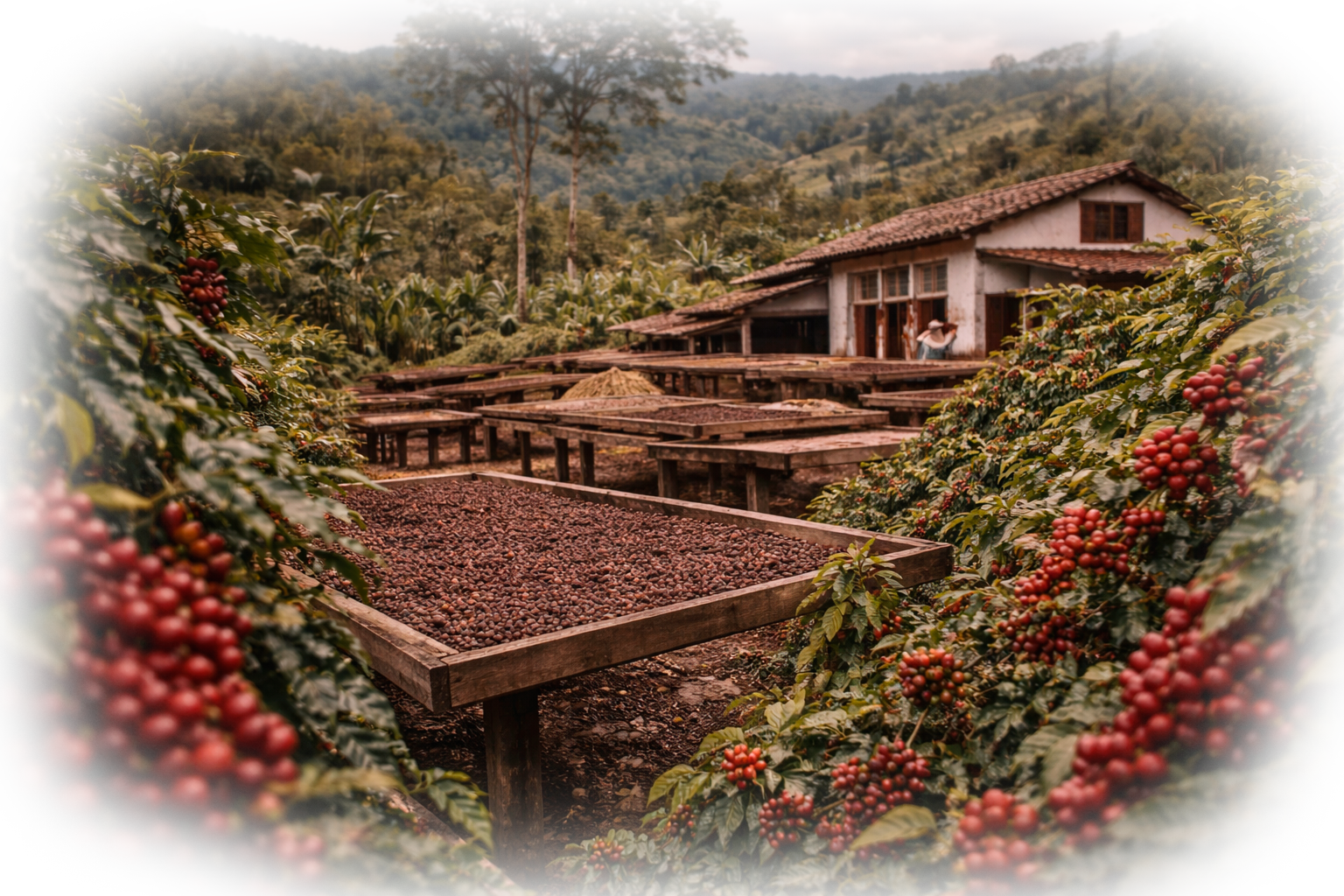
Coffee Triangle (Eje Cafetero)
Includes:
-
Caldas
-
Risaralda
-
Quindío
These regions sit right in the heart of Colombia’s coffee culture.
Typical cup profile:
• caramel sweetness
• red fruit notes
• smooth body
These coffees tend to roast predictably and cup clean.
Southern Colombia: High Altitude, Bright Cups
Southern Colombia sits higher.
And closer to the equator’s mountain microclimates.
That combination produces some of the most expressive coffees in the country.
Key Southern Regions
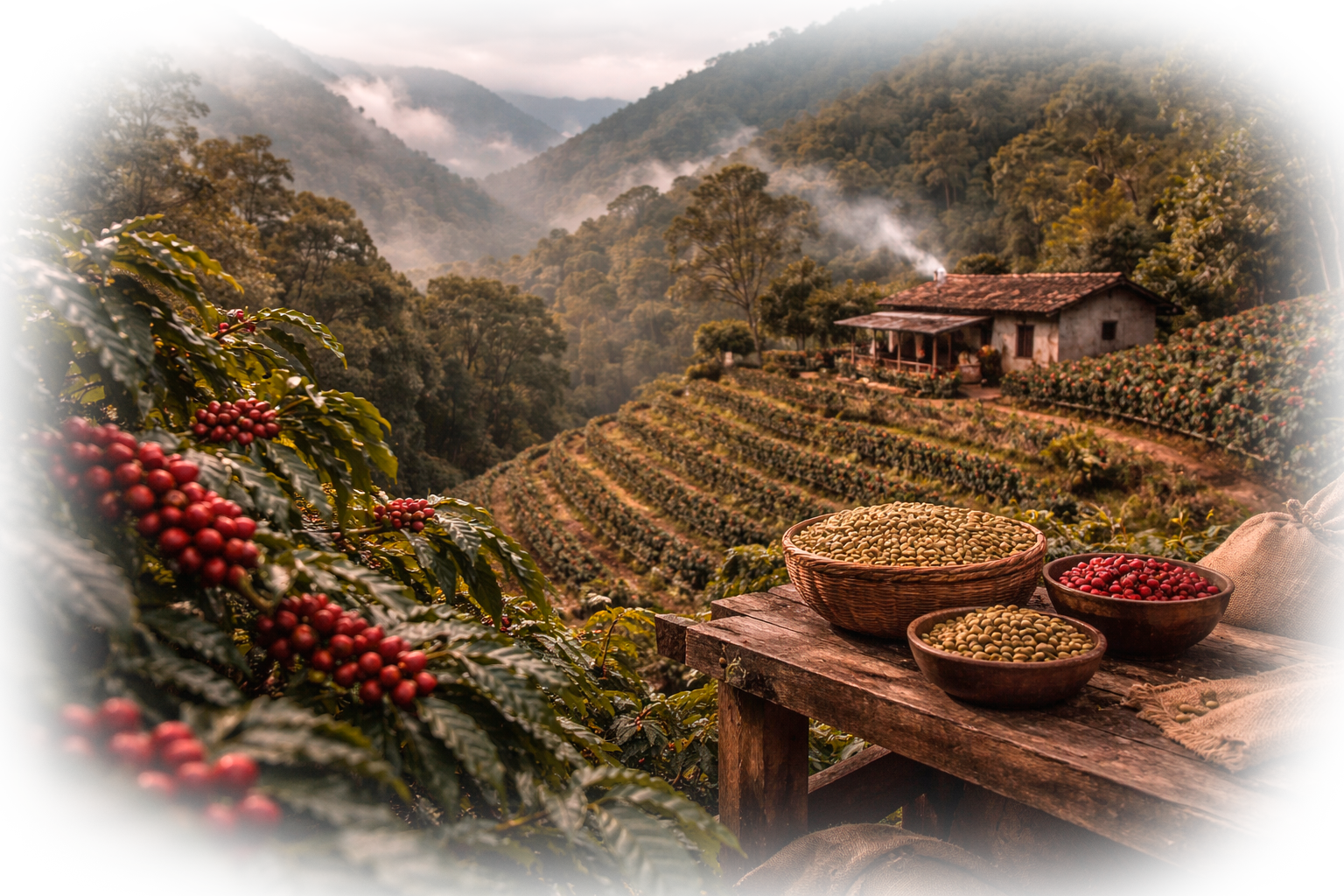
Huila
Probably the most recognized specialty region today.
Altitude often reaches 1,700–2,000 meters.
Common flavor notes:
• tropical fruit
• panela sweetness
• bright citrus acidity
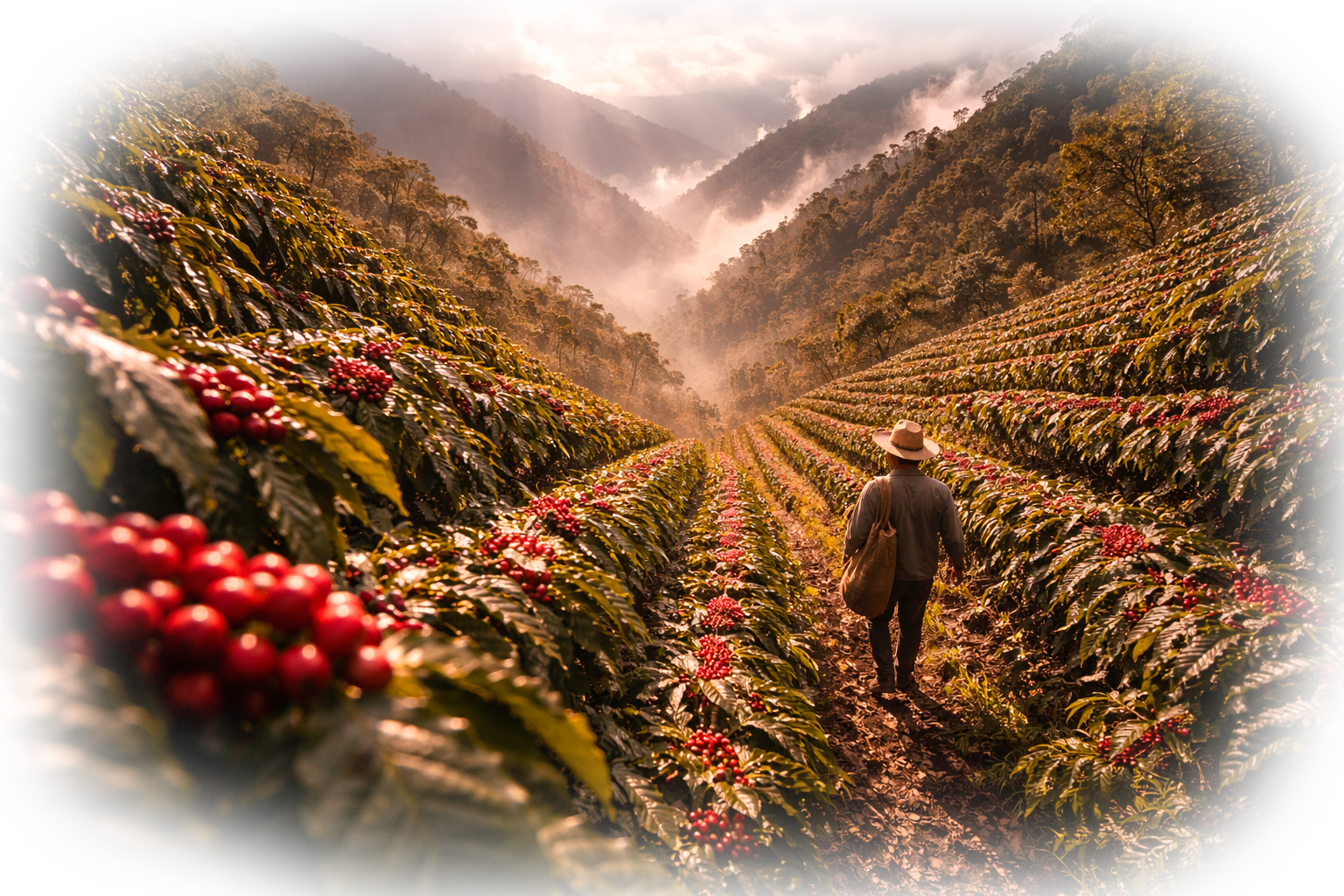
Nariño
Extreme growing conditions.
Steep slopes. Intense sunlight. Cool nights.
Typical cup profile:
• vibrant acidity
• floral aromatics
• elegant structure
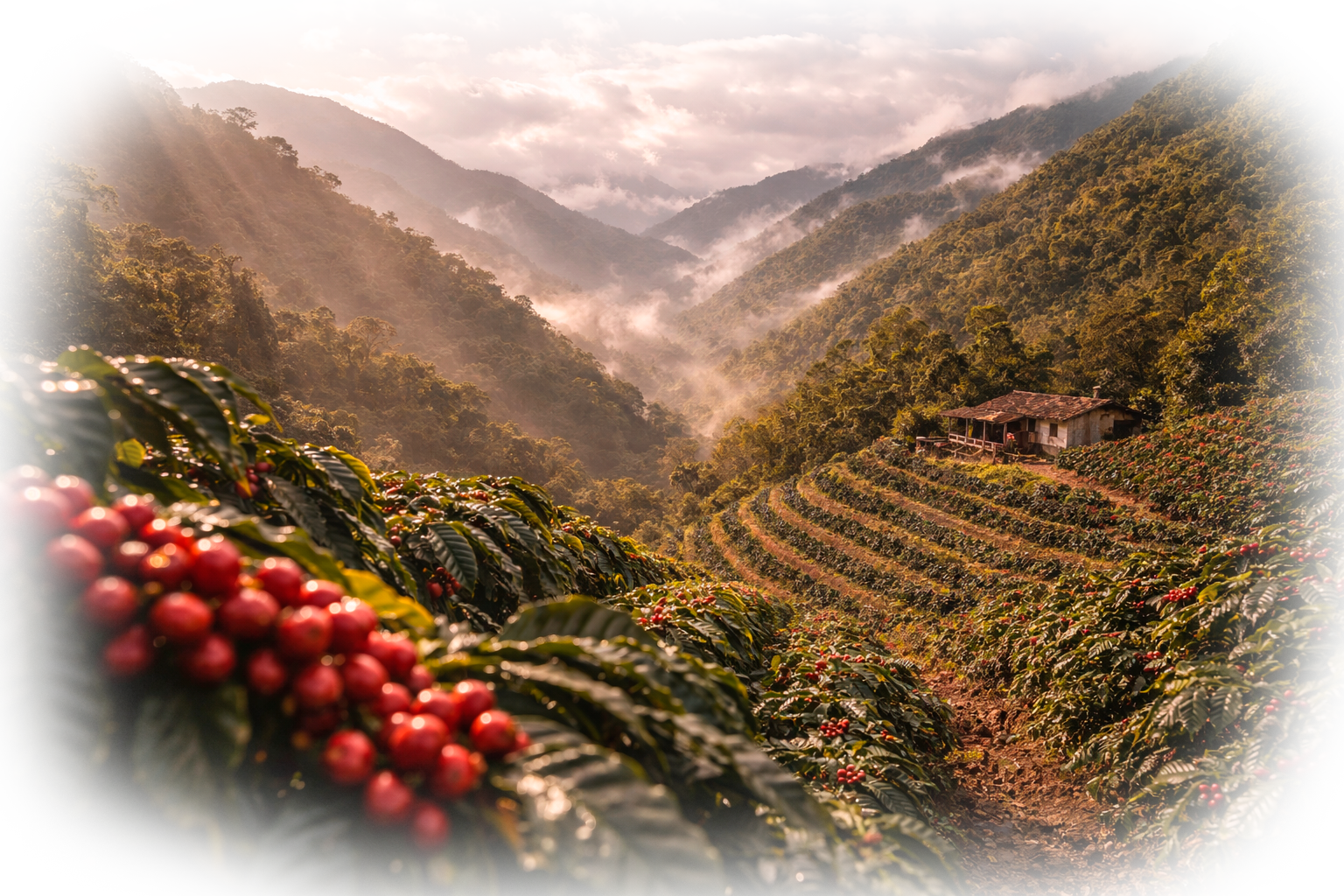
Cauca
Protected by surrounding mountains, creating a stable climate.
Typical flavors include:
• red fruit
• honey sweetness
• delicate acidity
These coffees often feel lively in the cup.
Clean and articulate.
Quick Regional Comparison
| REGION | TYPICAL ALTITUDE | FLAVOR DIRECTION |
| Santander | 1,200–1,700 m | Nutty, chocolate |
| Antioquia | 1,300–2,000 m | Balanced, classic |
| Huila | 1,500–2,000 m | Bright, fruity |
| Nariño | 1,700–2,200 m | Floral, complex |
| Cauca | 1,600–2,100 m | Sweet, balanced acidity |
Altitude alone doesn’t decide flavor.
But it shapes the pace of coffee development.
And slower growth usually builds more complexity.
If you're exploring Colombian origins and want to understand how different regions behave in the roaster and the cup, we're always happy to talk through it.
Some coffees shout.
Others whisper.
Knowing where they come from helps you hear the difference.
The Quiet Truth About Terroir
Maps help.
But terroir isn’t just region.
Two farms on the same mountain can taste different.
Processing choices matter.
Harvest timing matters.
Drying practices matter.
Region gives you the outline.
The farmer fills in the details.
Why Roasters Pay Attention to Regions
Understanding Colombian regions helps roasters:
• build balanced blends
• select coffees with specific acidity levels
• anticipate roasting behavior
• maintain flavor consistency across seasons
It also helps buyers ask better questions.
Which usually leads to better coffee.
FAQ –Schema Ready
If you’re looking for Colombian coffees and want to understand where they come from and how they behave in the cup, that’s part of what we do.
Not just selling lots.
Connecting the map to the flavor.
When you’re ready, we’ll show you what’s coming out of each region this season. Quietly