
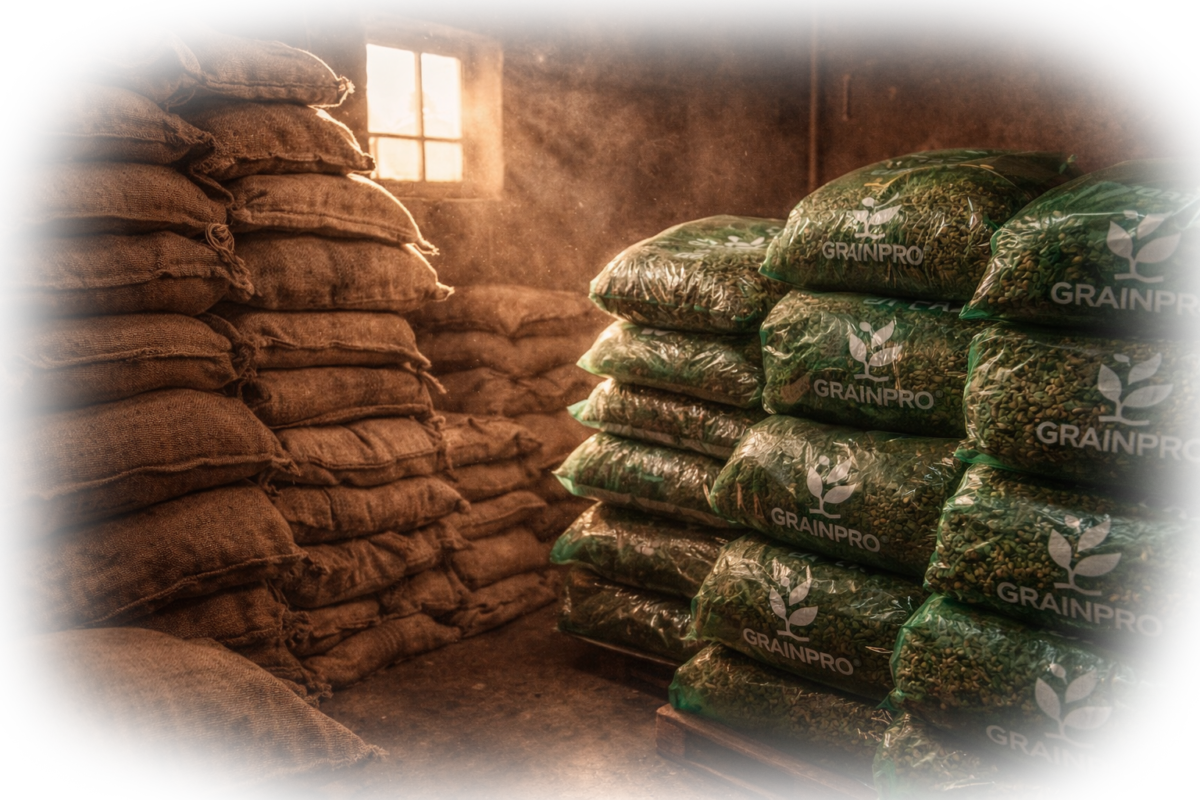
How Fresh Is Fresh?
Understanding Crop Year and Storage in Green Coffee
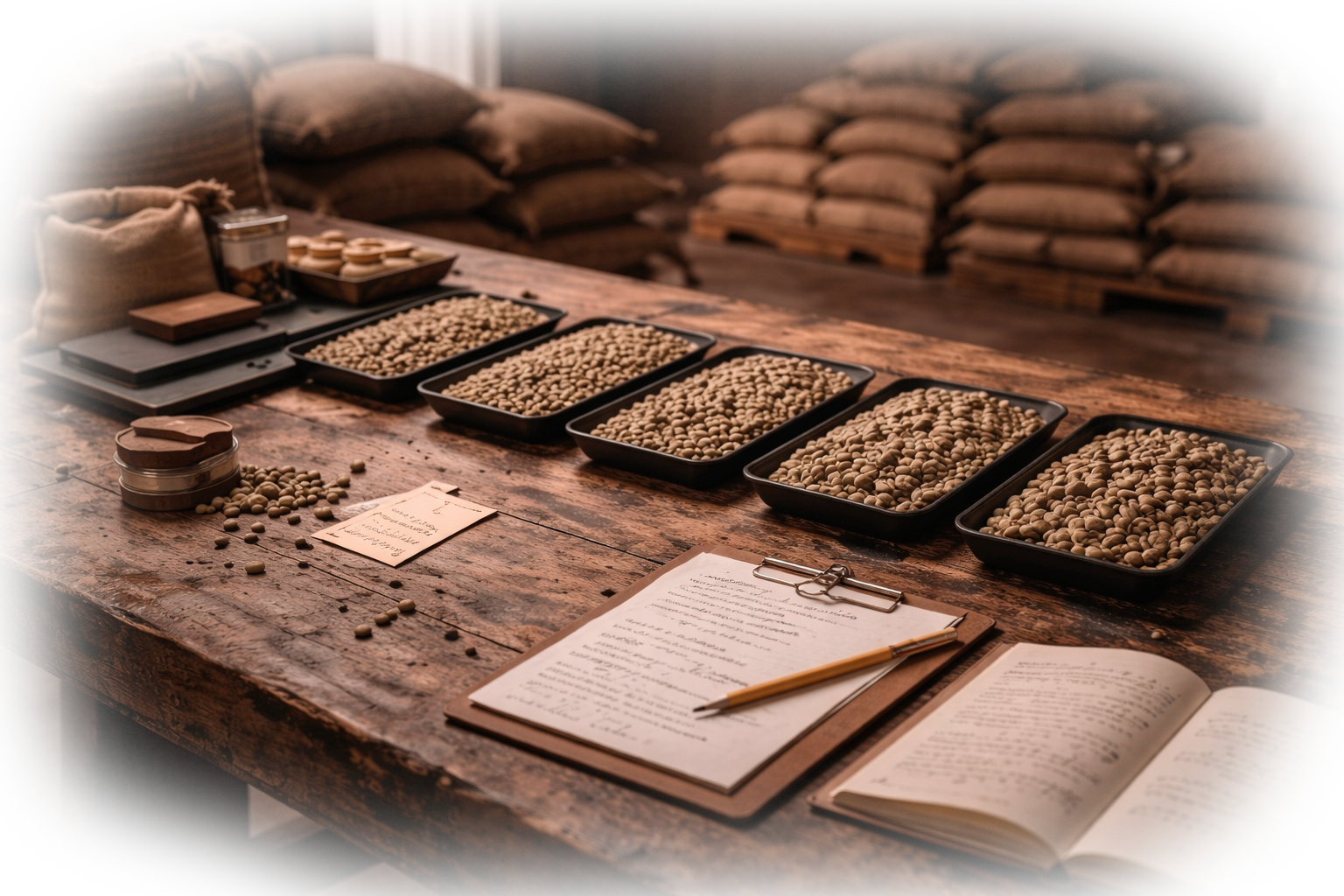
Coffee Freshness Starts Long Before the Roast
Most people talk about freshness once coffee is roasted.
That’s the easy part.
But the real story starts months earlier, when the coffee is still green. Sitting in a warehouse. Crossing oceans. Waiting its turn.
And that’s where things get interesting.
Because in green coffee, “fresh” isn’t just about time.
It’s about crop year, storage conditions, and how the coffee has been handled along the way.
A good buyer learns to read those signs quietly.
No drama. Just understanding the game.
What “Crop Year” Actually Means
When someone says fresh crop coffee, they’re usually talking about the most recent harvest season from origin.
Coffee is an agricultural product. Just like wine grapes or olives. Every harvest belongs to a specific crop year.
For example:
| TERM | MEANING |
| Fresh Crop | Coffee harvested in the most recent season |
| Current Crop | Coffee still within its optimal freshness window |
| Past Crop | Coffee from the previous harvest year |
| Old Crop | Coffee stored for extended periods, often losing quality |
Now here’s the part many people miss.
A coffee harvested eight months ago can still be excellent if it’s stored correctly.
But a coffee harvested four months ago can already be fading if storage was sloppy.
So crop year matters.
But storage matters just as much.
How Long Green Coffee Actually Stays Fresh
Green coffee doesn’t spoil quickly like roasted coffee.
But it does age.
Here’s the rough timeline most professionals work with:
| TIME AFTER HARVEST | TYPICAL QUALITY STATUS |
| 0–6 months | Peak freshness |
| 6–12 months | Still very good if stored well |
| 12–18 months | Noticeable aging possible |
| 18–24 months | Often considered past crop |
| + 24 months | Significant degradation likely |
Again, these are guidelines, not rules.
Some coffees hold beautifully.
Others fade fast.
Density, processing method, and moisture stability all play a role.
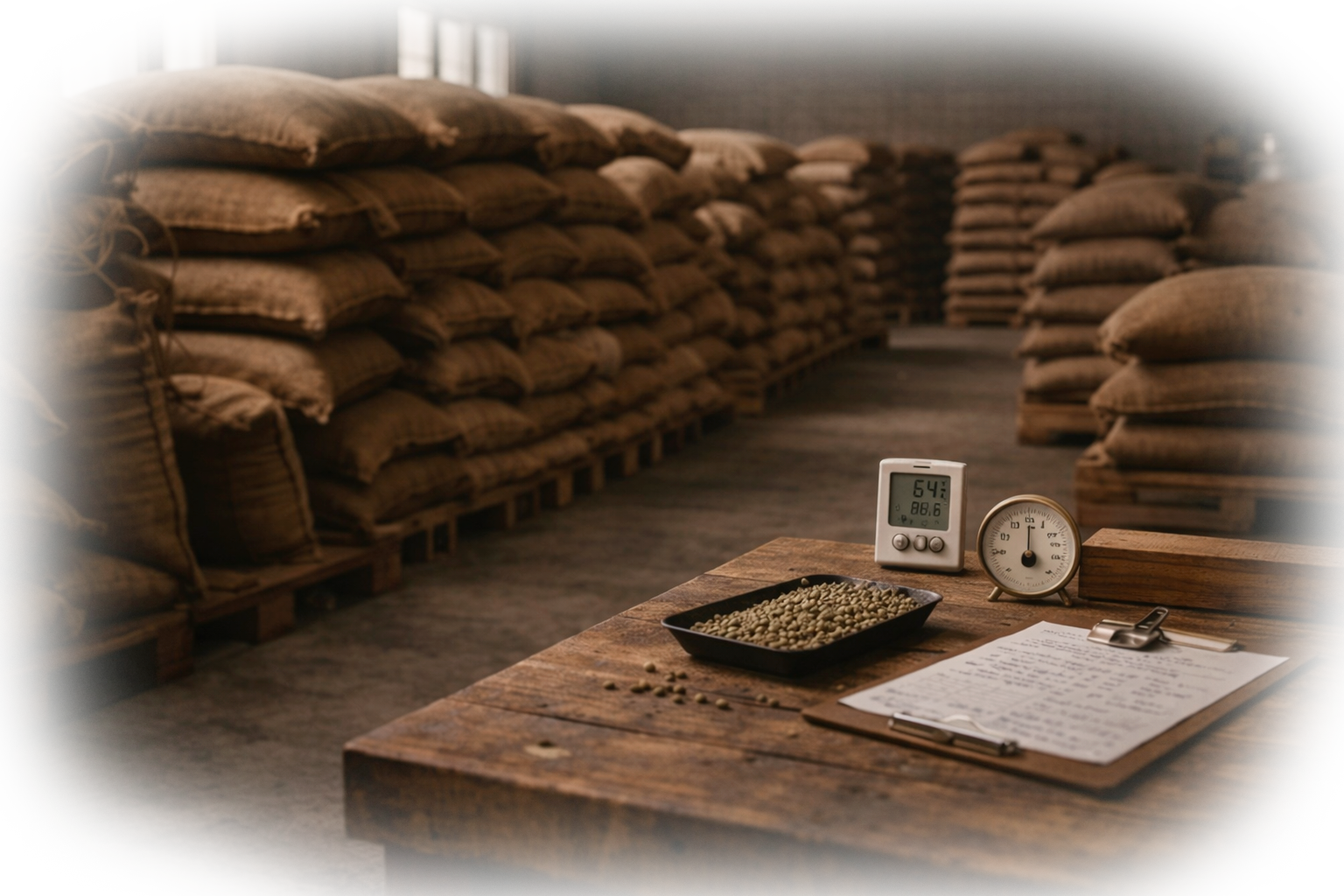
Storage: The Quiet Factor That Changes Everything
Good green coffee storage protects three things:
-
Moisture stability
-
Temperature consistency
-
Oxygen exposure
When those stay balanced, coffee ages slowly and gracefully.
When they don’t, things start to drift.
Flavors flatten.
Acidity fades.
Aroma gets dull.
The Three Most Common Storage Setups
Green coffee doesn’t spoil quickly like roasted coffee.
But it does age.
Here’s the rough timeline most professionals work with:
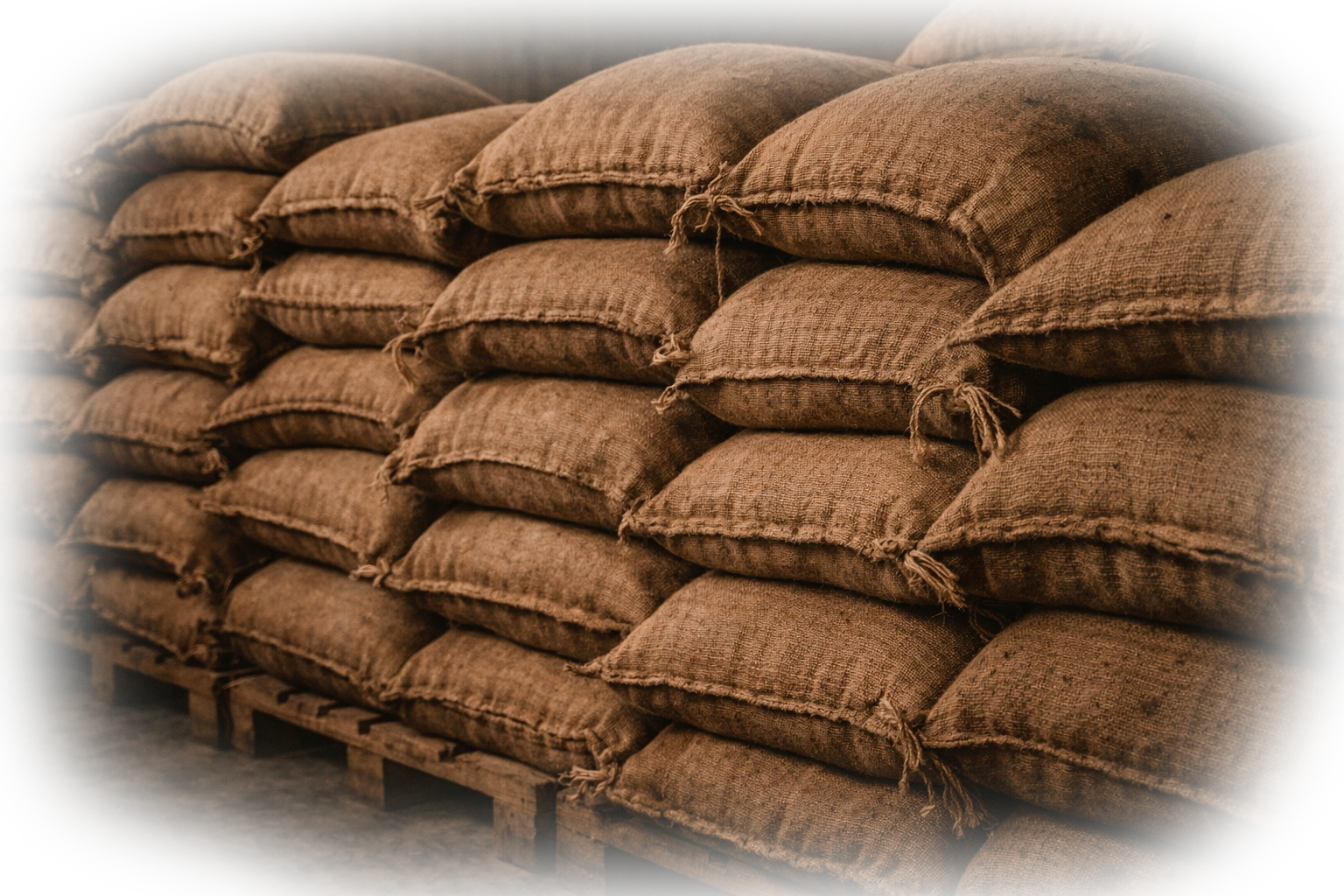
Traditional Jute Bags
The classic image.
Coffee in burlap sacks stacked in warehouses.
Pros:
-
breathable
-
inexpensive
-
traditional
Cons:
-
exposed to humidity changes
-
oxygen exchange accelerates aging
Still widely used, but not ideal for long storage.
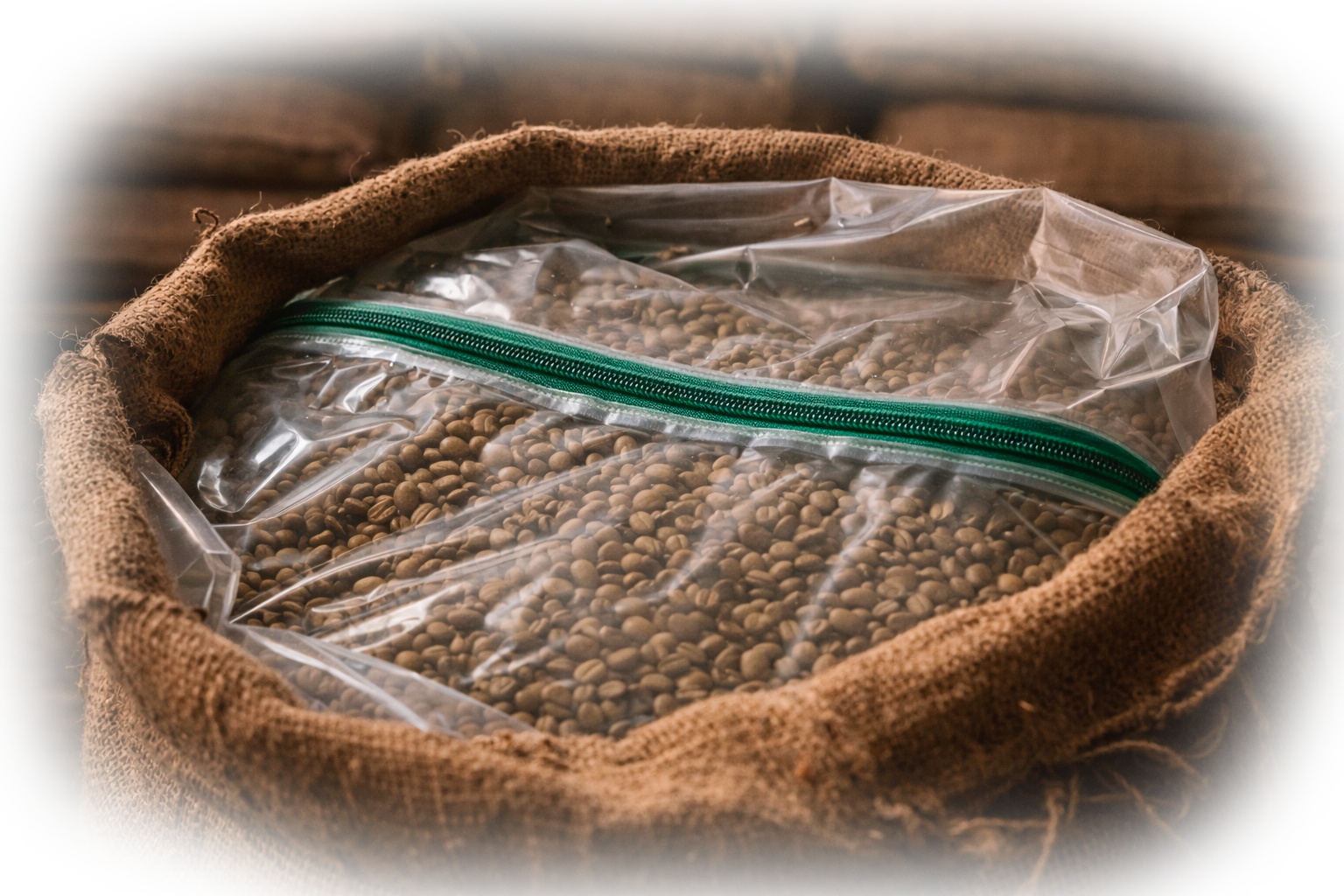
GrainPro or Hermetic Liners
These plastic liners sit inside the jute bags.
They create a sealed microclimate for the coffee.
Pros:
-
protects moisture
-
slows oxidation
-
dramatically extends freshness
This has become standard for quality specialty coffee.
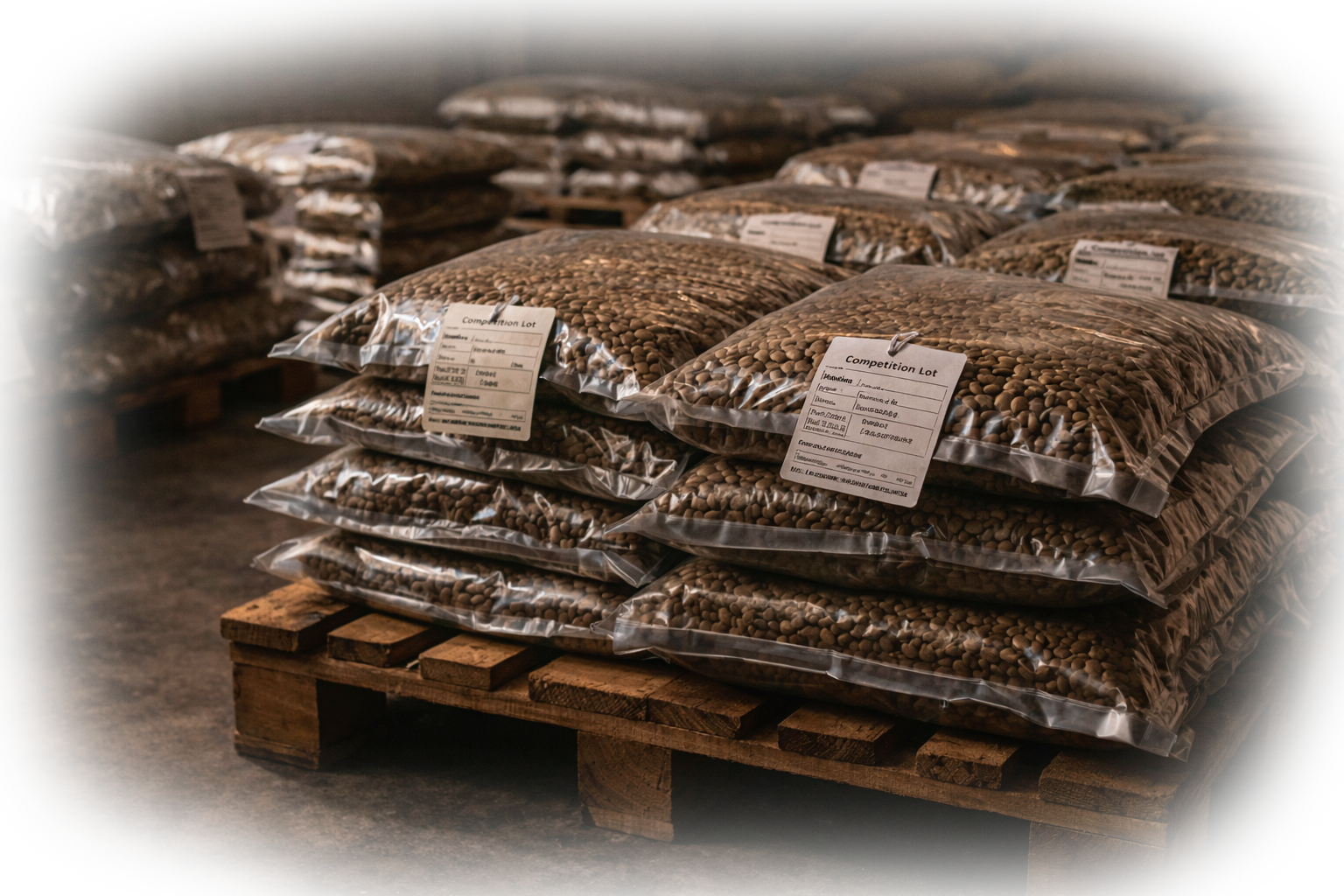
Vacuum-Sealed or Nitrogen Storage
More common for competition lots or very high-end coffees.
Pros:
-
almost zero oxygen exposure
-
extremely stable
Cons:
-
expensive
-
not necessary for most commercial lots
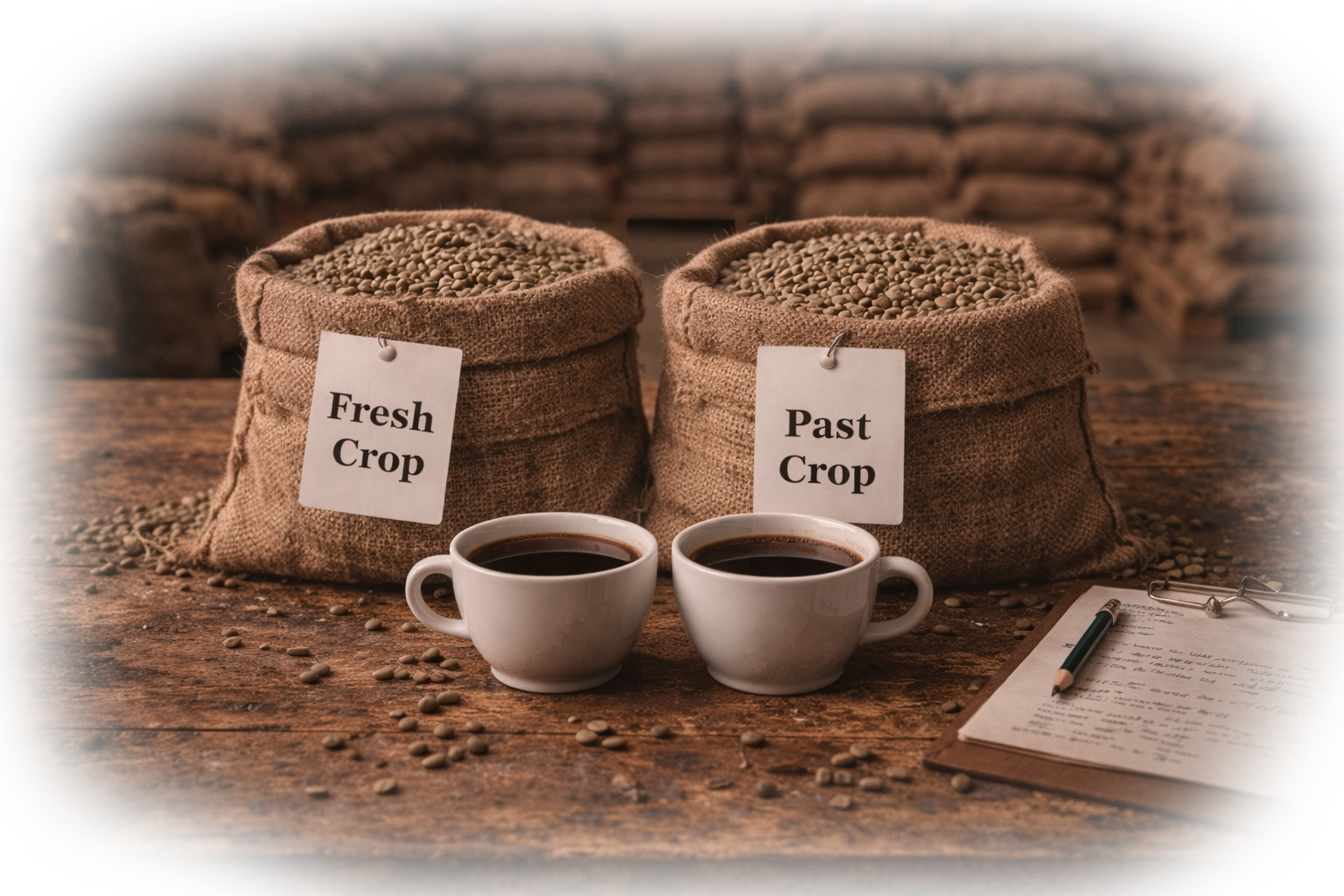
Fresh Crop vs Past Crop: Does It Always Matter?
Sometimes.
But not always.
A well-stored past crop coffee can outperform a poorly handled fresh crop.
Experienced buyers look at several signals together:
-
harvest date
-
storage method
-
moisture level
In other words:
The cup decides.
Labels don’t.
The Subtle Signs of Aging Coffee
Coffee doesn’t suddenly “go bad.”
It slowly changes personality.
Common signs include:
• muted aromatics
• softer acidity
• flatter sweetness
• woody or papery notes
• shorter finish
None of these are dramatic.
But together, they tell the story.
Good buyers learn to hear it.
Why This Matters for Roasters and Buyers
Understanding crop year and storage helps you make smarter decisions.
You can:
-
buy fresh arrivals when they matter most
-
avoid overpriced “fresh crop” marketing
-
recognize well-stored past crop opportunities
-
maintain consistent roasting profiles
And maybe most importantly…
You stop chasing labels and start trusting the coffee.
A Quiet Tip from the Dealer
If someone is very loud about how fresh their green coffee is…
Take a closer look.
People who handle coffee carefully usually don’t shout about it.
They just keep their storage tight and their lots moving.
The cup will speak for them.
If you’re sourcing Colombian green coffee and want straight answers about harvest timing and storage, we’re always happy to talk.
No noise. Just coffee.
FAQ –Schema Ready
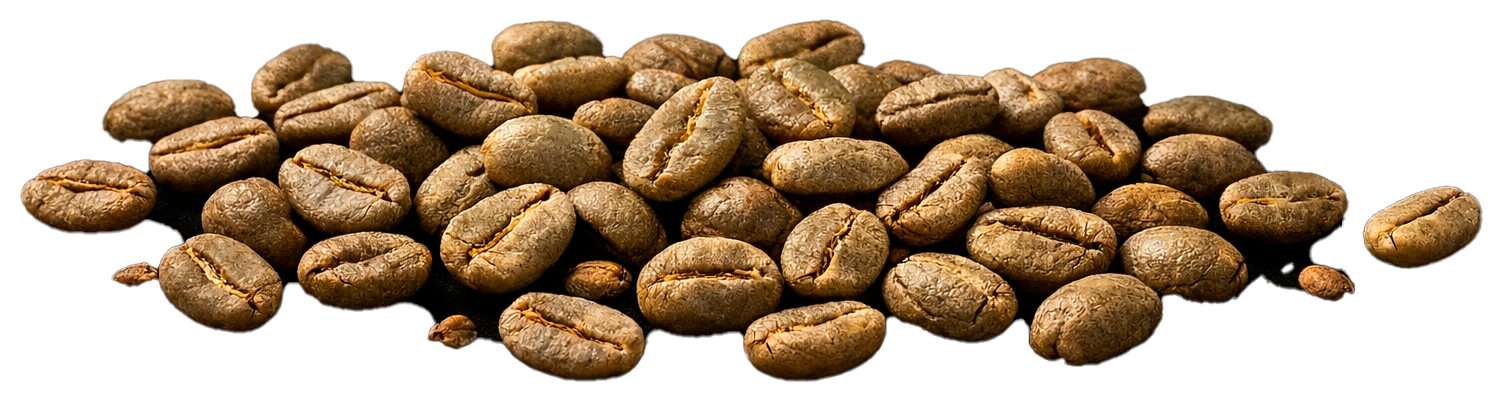
If you’re looking for Colombian green coffee that’s actually fresh, properly stored, and honestly represented, that’s what we do.
Quietly.
Take a look at our current lots or reach out.
We’ll show you what’s moving right now.