What Is Specialty Coffee?
A Clear Guide for People Who Want Better Coffee
Specialty coffee isn’t about trends or fancy packaging. It’s about quality, traceability, and flavor—built step by step, from the farm to your cup.
If you’ve ever wondered why some coffees taste richer, cleaner, or more complex than others, this guide will walk you through what specialty coffee really means and how to enjoy it at its best.
What Makes Coffee “Specialty”?
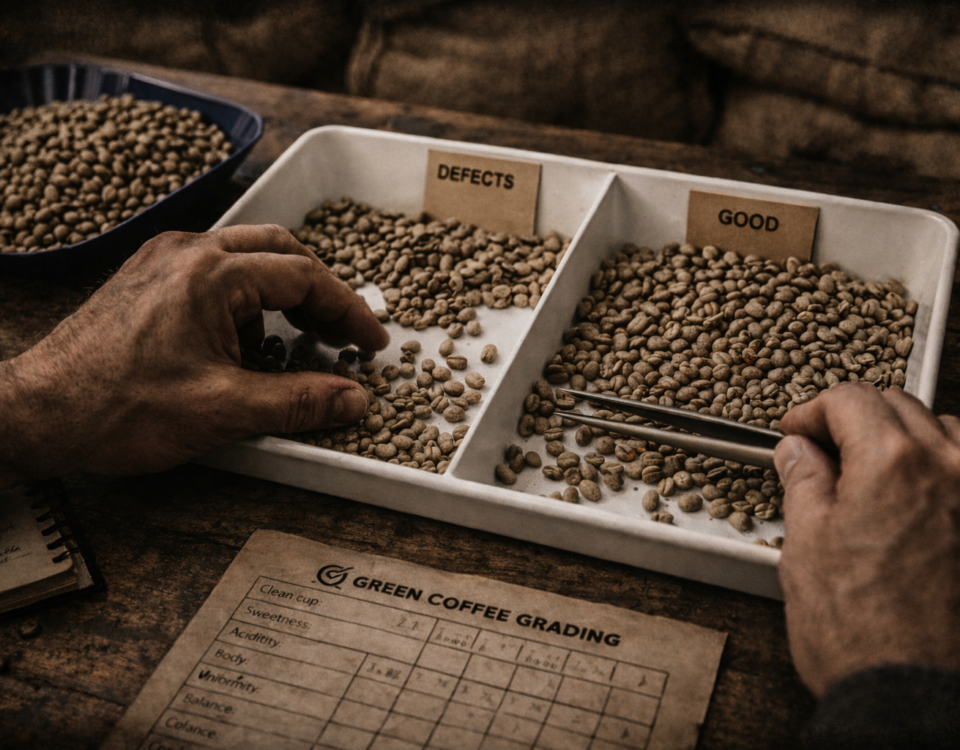
Not all coffee is created equal. Specialty coffee isn’t just about a fancy label—it’s about quality at every step: from the farm to your cup.
- Origin:
Beans grown in ideal climates with care.
- Processing:
Meticulous handling post-harvest.
- Roast:
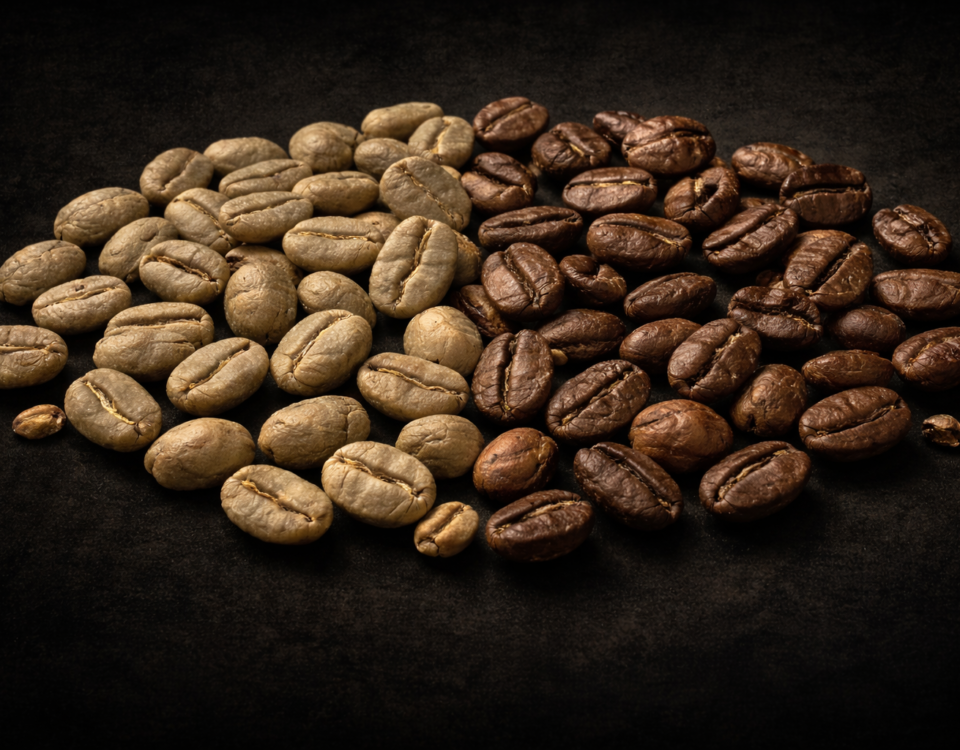
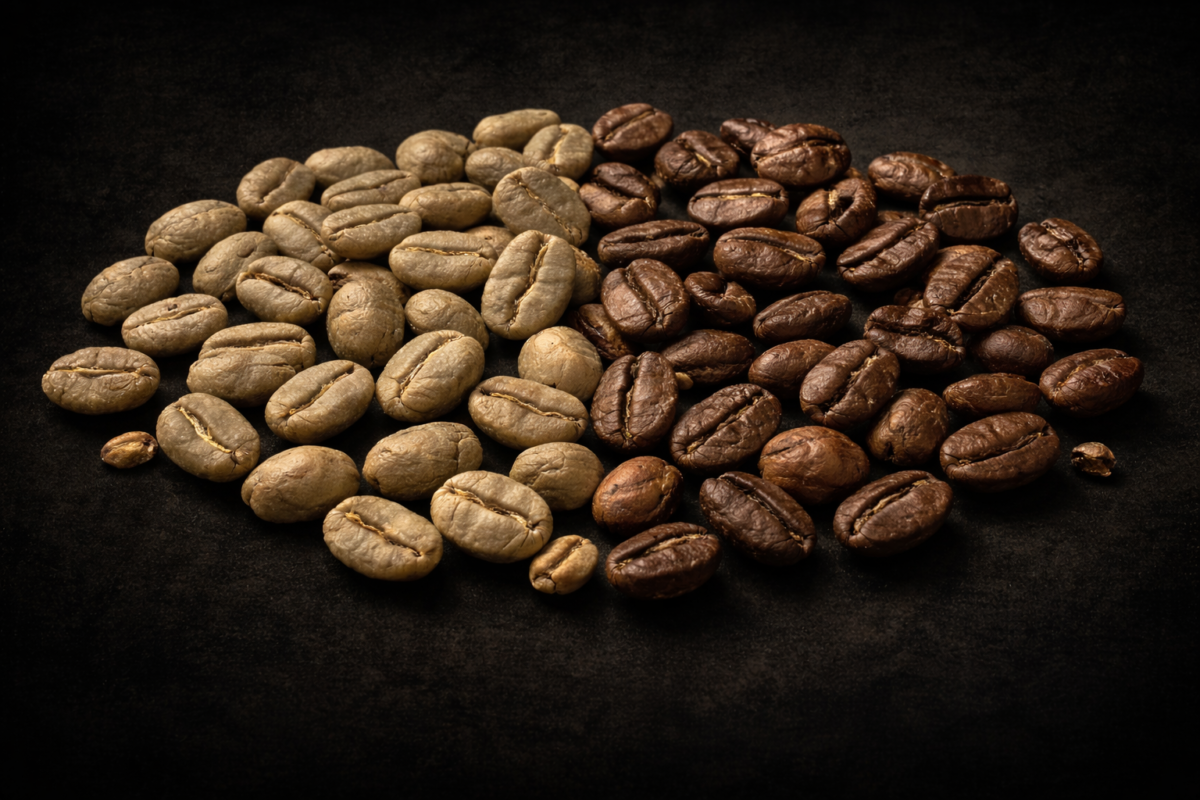
Roasted to highlight unique flavors, never masked by over-roasting.
- Taste Score:
Specialty coffee scores 80+ points on the SCA (Specialty Coffee Association) scale.
Curious about the farms behind your coffee? Check out our guide to Colombian coffee regions.
How Specialty Coffee Differs from Regular Coffee
| FEATURE | REGULAR COFFEE | SPECIALTY COFFEE |
| Flavor profile | Generic, bitter | Complex, distint note |
| Roasting | Dark, uniform | Tailored to bean characteristics |
| Production attention | Low | High - every sted matters |
| Price | Low | Higher, reflects quality |
Want to taste the difference yourself? Try brewing single-origin beans.
How to Identify Specialty Coffee
- Origin information:
ountry, region, farm.
- Roast date:
Freshness matters
more than hype.
- Tasting notes:
Will describe flavors like chocolate, citrus, or floral.
- Certifications:
Fair Trade, Rainforest Alliance (optional but helpful).
Brewing Specialty Coffee at Home
Specialty coffee shines when brewed carefully.
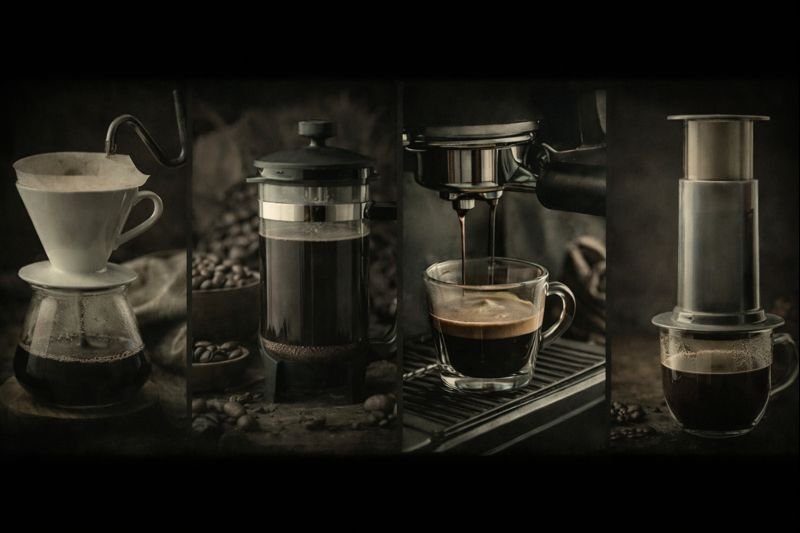
Popular Methods
- Pour Over: Clarity, highlights nuanced flavors.
- French Press: Full-bodied, richer taste.
- Espresso: Concentrated flavors, base for lattes/cappuccinos.
- AeroPress: Quick, versatile, and surprisingly smooth.
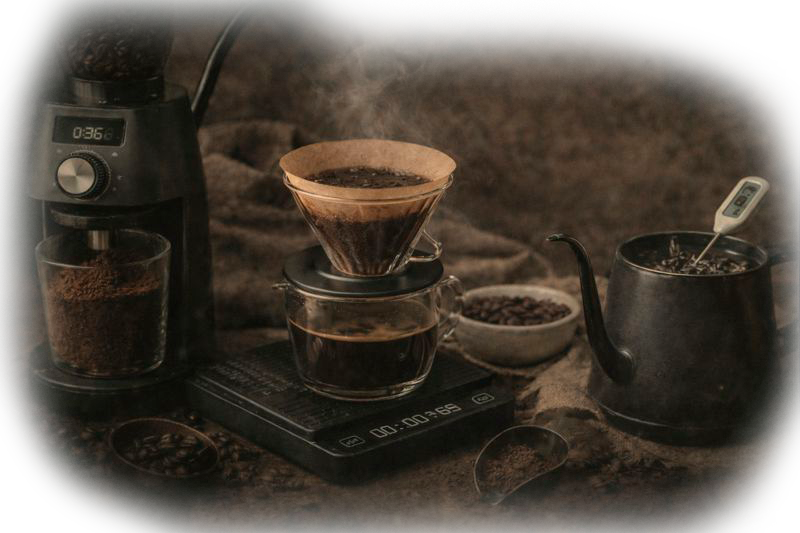
Brewing Tips
- Grind just before brewing.
- Use filtered water at the right temperature (195–205°F).
- Keep coffee-to-water ratio consistent.
- Experiment, taste, repeat—trust your own palate.
Not sure where to start? Check our beginner’s guide to brewing specialty coffee.
Why Specialty Coffee Tastes Better
- Freshness: Every step is controlled to preserve flavor.
- Bean quality: Carefully selected beans make all the difference.
- Roast precision: Brings out natural notes instead of masking them.
- Brewing attention: Using proper methods ensures
Industry data referenced by the National Coffee Association shows growing consumer interest in higher-quality coffee, driven by transparency, origin awareness, and improved brewing methods. Check our beginner’s guide to brewing specialty coffee.
FAQ – Specialty Coffee

Next Steps
- Explore single-origin Colombian beans for a first taste of true specialty coffee.
- Experiment with brewing methods and find what highlights your favorite flavors.
- Join a coffee community or follow trusted guides to keep learning.
Ready to upgrade your coffee game? Shop our specialty Colombian coffee and taste the difference.