
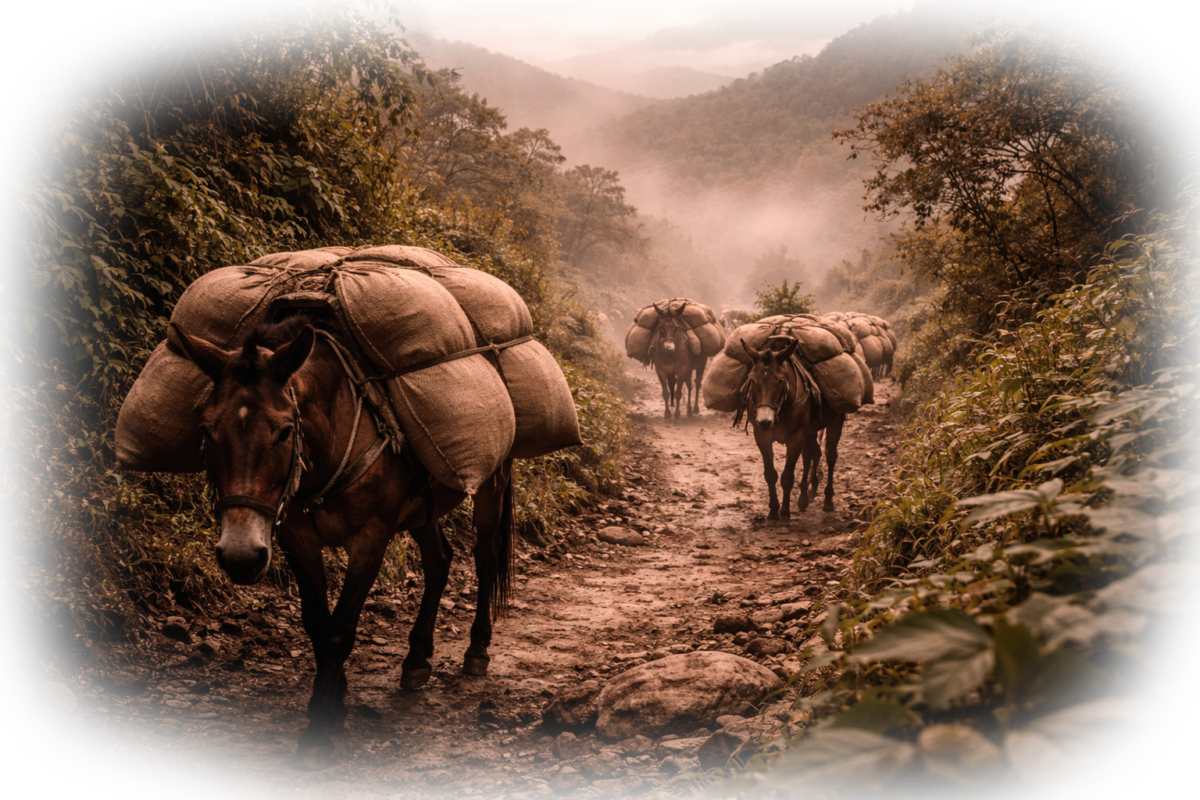
Where Green Coffee Comes From:
Origins, Terroir, and Why Colombia Stands Out
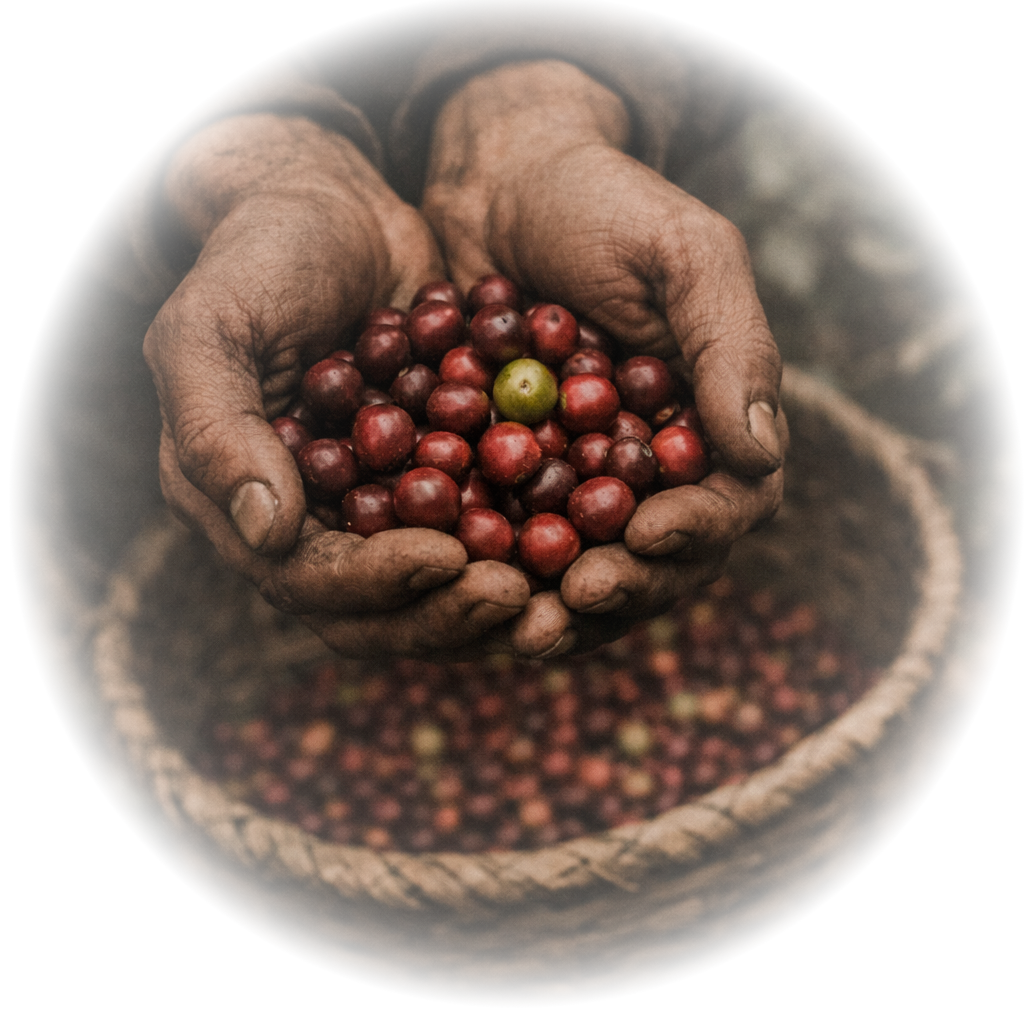
First, Let’s Get OneThing Clear
Green coffee doesn’t “come from Colombia.”
It comes from farms.
From mountains.
From soil that decides more than marketing ever will.
Origin isn’t a label.
It’s geography, climate, altitude, hands, and timing.
If you roast, you already know this.
If you’re starting, this is where it begins.
If you’re new to green coffee, read our guide on What Is Specialty Coffee? before going deeper.
What “Origin” Really Means in Green Coffee
When people say “origin,” they usually mean country.
That’s surface level.
Real origin breaks down into:
• Country
• Region
• Municipality
• Farm
• Elevation
• Variety
• Processing method
Each layer narrows the fingerprint.
The smaller the traceability, the clearer the identity in the cup.
Understanding Terroir in Coffee
Terroir isn’t a wine word. It belongs here too.
What Is Coffee Terroir?
Terroir is the combination of:
-
Altitude
-
Soil composition
-
Temperature range
-
Rainfall patterns
-
Sun exposure
These variables shape sugar development inside the cherry.
And sugar development shapes flavor.
No altitude, no tension.
No tension, no complexity.
Major Green Coffee Producing Regions in the World
Here’s a simplified comparison for perspective:
| COUNTRY | KNOWN FOR | TYPICAL PROFILE |
| Ethiopia | Heirloom varieties | Floral, wild, fruit-forward |
| Brazil | Large production | Nutty, chocolate, heavy body |
| Kenya | High elevation | Bright acidity, berry notes |
| Guatemala | Volcanic soils | Structured, cocoa, spice |
| Colombia | Diverse microclimates | Balanced, sweet, clean |
Every origin has strengths.
But not every origin delivers consistency at scale.
That’s where Colombia separates itself.
Why Colombia Stands Out in Green Coffee
It’s not nationalism.
It’s structure.
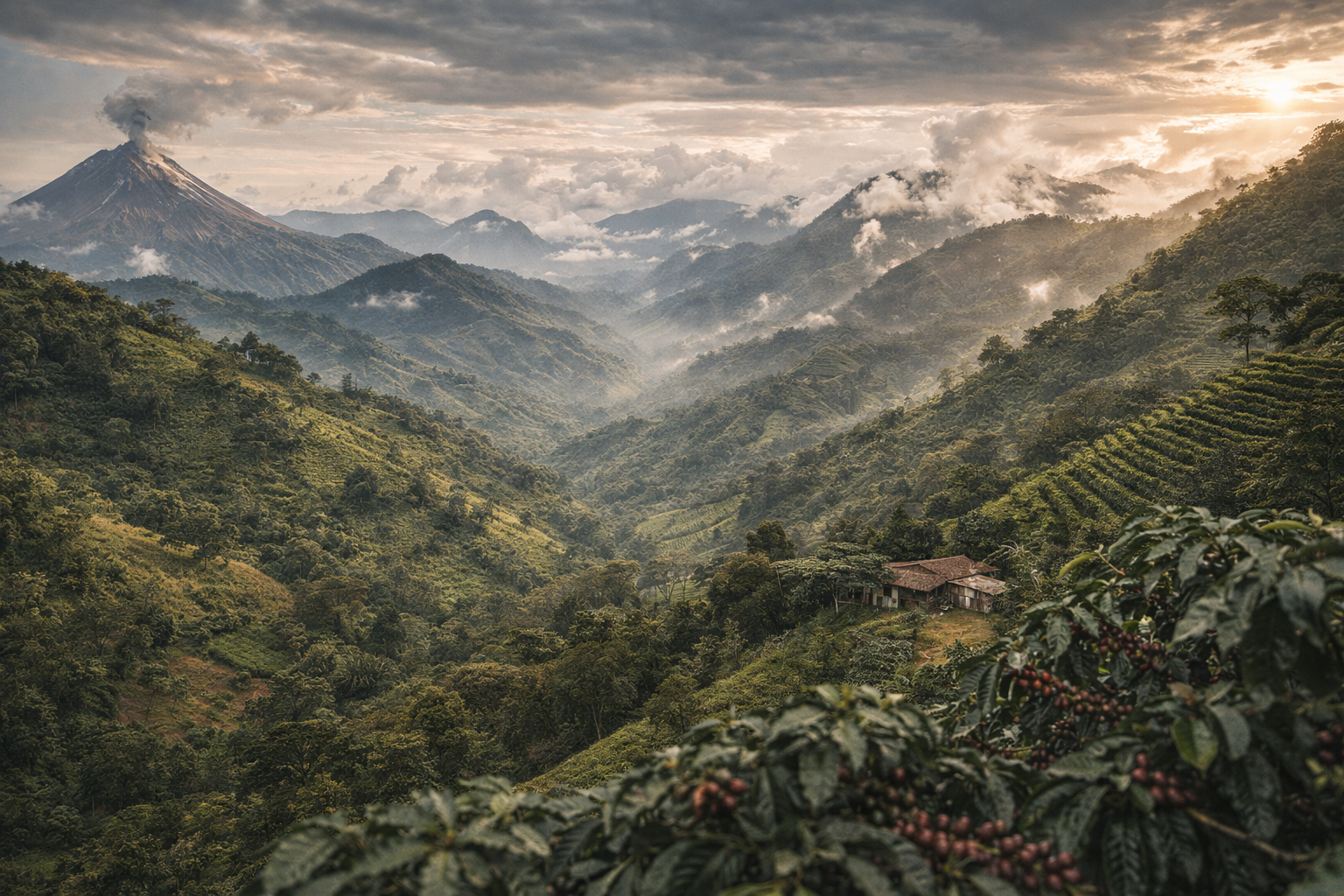
Geography That Creates Natural Advantage
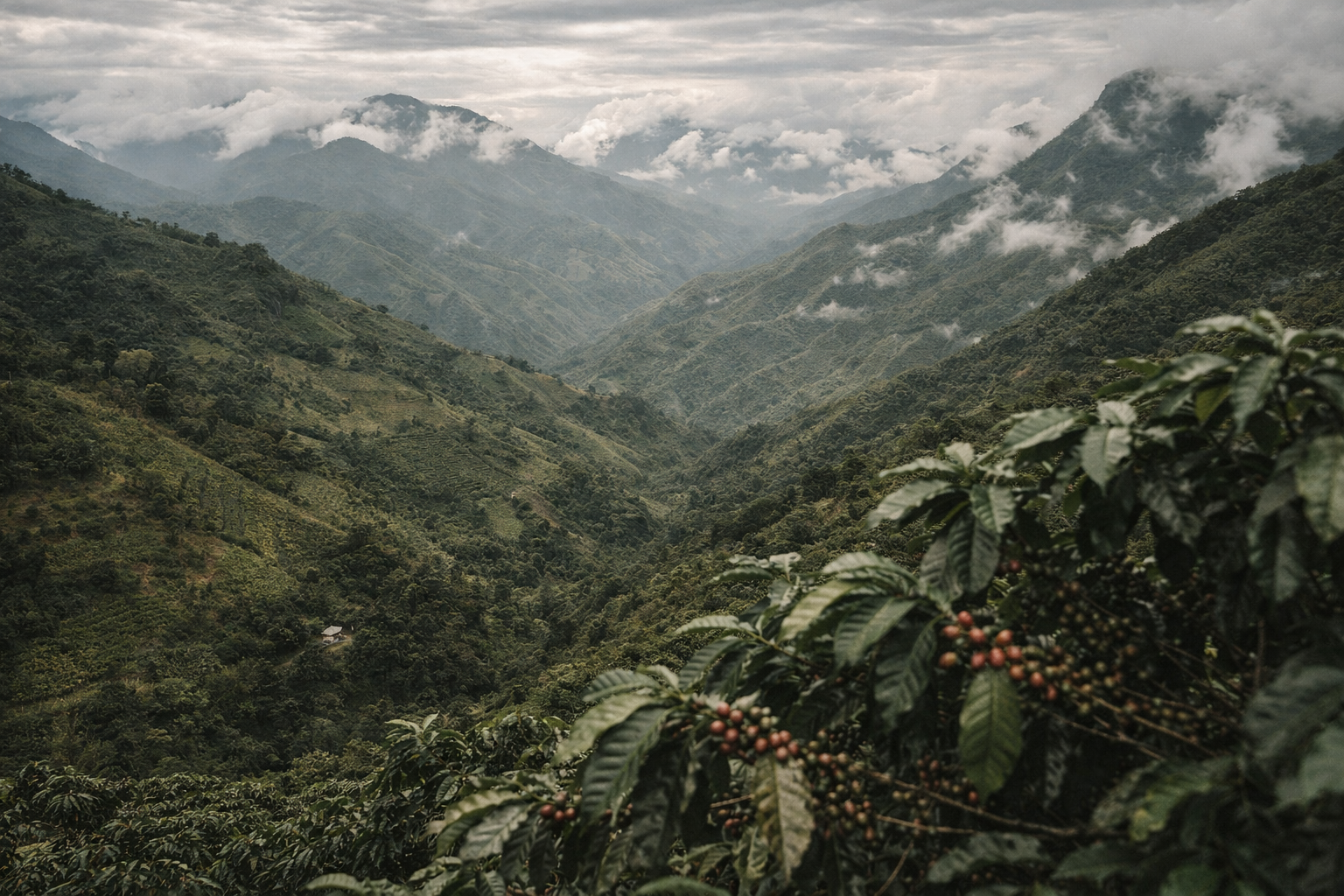
Colombia sits on the equator. Add the Andes running through the country.
That creates:
-
High altitude farms
-
Multiple harvest cycles
-
Stable daylight patterns
-
Volcanic soil in many regions
This means controlled maturation. Slower cherry development. Better density.
And density matters when you roast.
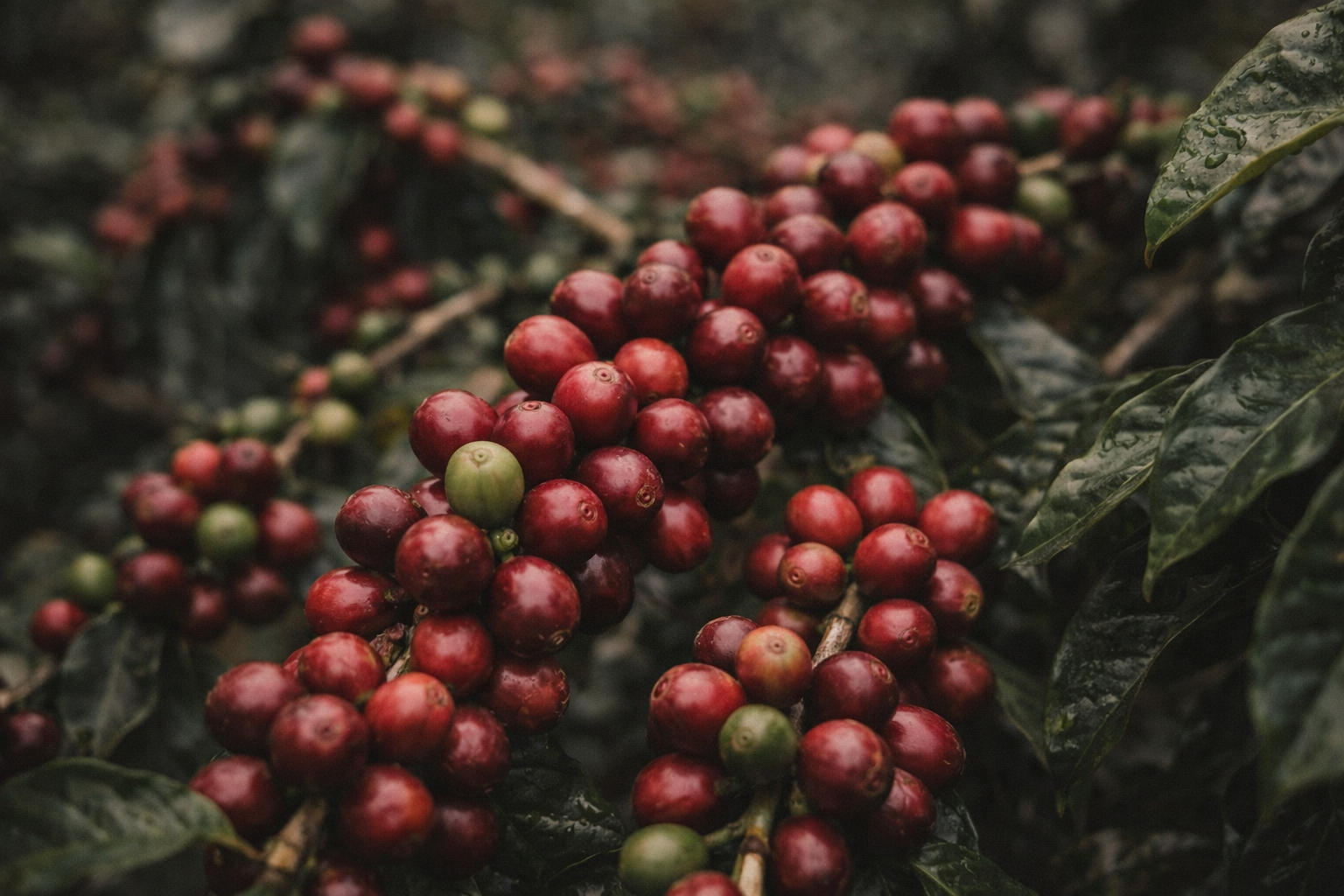
Arabica Only
Colombia grows almost exclusively Arabica.
That gives:
-
Cleaner cup profiles
-
More sweetness
-
Higher market demand
When you’re buying green coffee for specialty roasting, that matters.
Small Farm Structure
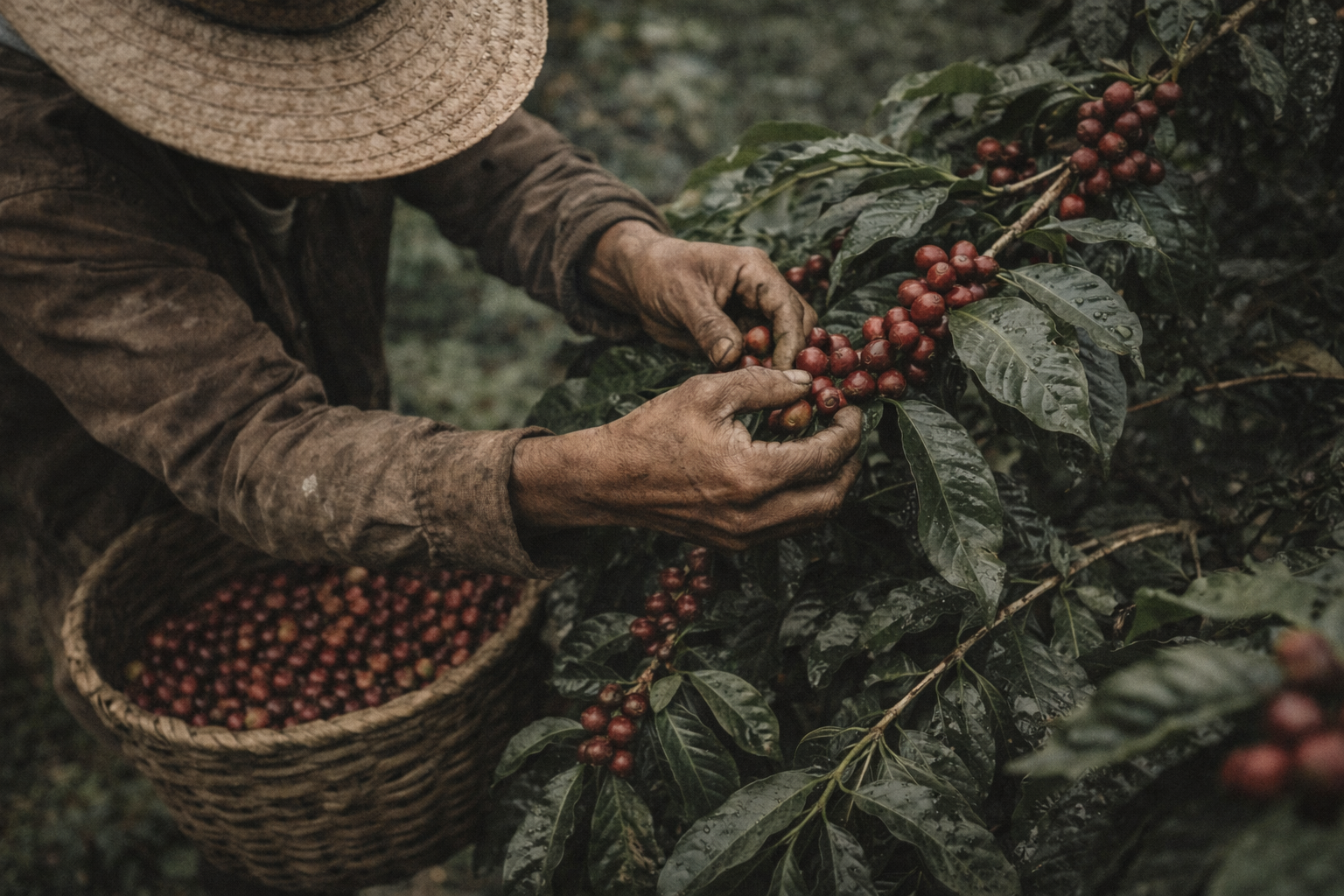
Most Colombian coffee is grown on small family farms.
That changes quality control.
-
Hand picking
-
Selective harvesting
-
Careful fermentation
-
Drying done with attention
It’s harder to scale. But easier to protect quality.
Regional Diversity Within One Country
Colombia isn’t one flavor.
It’s a network of microclimates.
| REGION | ELEVATION | TYPICAL NOTES |
| Huila | 1,500 - 1,900 m. | Sweet, fruity, structured |
| Nariño | 1,800 - 2,200 m. | Floral, bright acidity |
| Cauca | 1,700 - 2,000 m. | Elegant, layered |
| Antioquia | 1,300 - 1,800 m. | Chocolate, nutty balance |
| Tolima | 1,400 - 1,900 m. | Clean, caramel sweetness |
One country.
Multiple personalities.
For green buyers, that means portfolio flexibility without changing origin.
Processing and Its Role in Green Coffee Identity
Colombia is historically known for washed processing.
That gives clarity.
But now you’ll also see:
The key difference?
Colombia built its reputation on clean processing first.
Innovation came after structure.
That order matters.
What This Means for Home Roasters and Micro Roasters
If you roast at home or run a small operation, Colombian green coffee gives you:
-
Predictable density
-
Stable moisture levels
-
Reliable screen size grading
-
Profiles that respond well to light and medium roasts
You’re not fighting the bean. You’re shaping it.
Explore our Colombian Green Coffee Selection if you want beans that behave in the drum.
Consistency Is the Real Advantage
Some origins produce exceptional lots.
Colombia produces exceptional lots consistently.
That’s the difference between risk and strategy.
For roasters building repeat customers, reliability matters more than novelty.
FAQ - Green Coffee Origins
The Quiet Truth
Green coffee doesn’t care about reputation.
It cares about environment.
Colombia stands out because the environment works in its favor, and the structure protects that advantage.
No exaggeration needed.
If you understand origin, you understand roasting before you even turn on the machine.
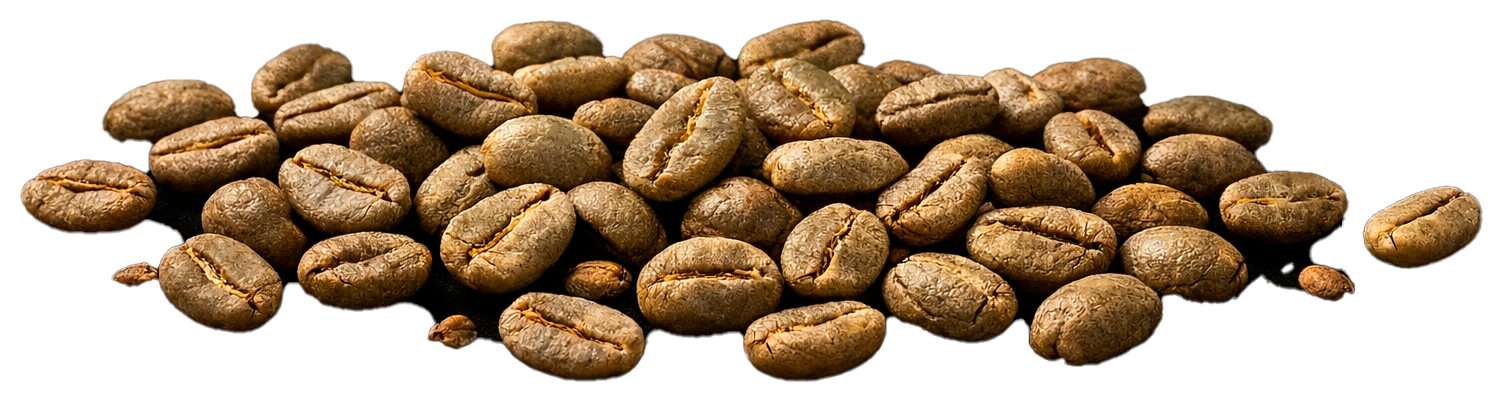
If you’re sourcing green coffee, don’t just buy a country.
Buy traceability.
Buy density.
Buy structure.
Explore our current Colombian green coffee lots and choose with intention.