Buying Green Coffee Online:
What to Look For and What to Avoid
The Internet Made Green Coffee Easy to Buy
It also made it easy to buy the wrong thing.
Anyone can list green coffee online.
Not everyone understands what they’re selling.
If you roast at home or run small batches, your raw material matters more than your branding.
Let’s simplify this.
First – Look for Traceability, Not Just a Country Name
If the listing only says:
“Colombian Coffee – Premium Grade”
That’s not information. You want to see:
• Country
• Region
• Elevation
• Farm or cooperative
• Variety
• Processing method
• Harvest year
The more specific the data, the lower the risk.
If you’re unsure what origin details mean, read our guide on Where Green Coffee Comes From.
Check the Harvest Date
Green coffee isn’t immortal.
Fresh crop coffee has:
-
Better aromatics
-
Brighter acidity
-
More defined sweetness
Old crop coffee isn’t automatically bad. But it should be priced accordingly.
If harvest year isn’t listed, ask why. Silence is information too.
Moisture Content and Storage Transparency
Serious suppliers track:
-
Moisture content (10–12% ideal)
-
Water activity (below 0.60 preferred)
-
Storage conditions
If the supplier talks about climate-controlled storage, that’s a good sign.
If storage is never mentioned, that’s a question mark.
Understand the Processing Before You Click “Buy”
Processing changes everything.
Quick reminder:
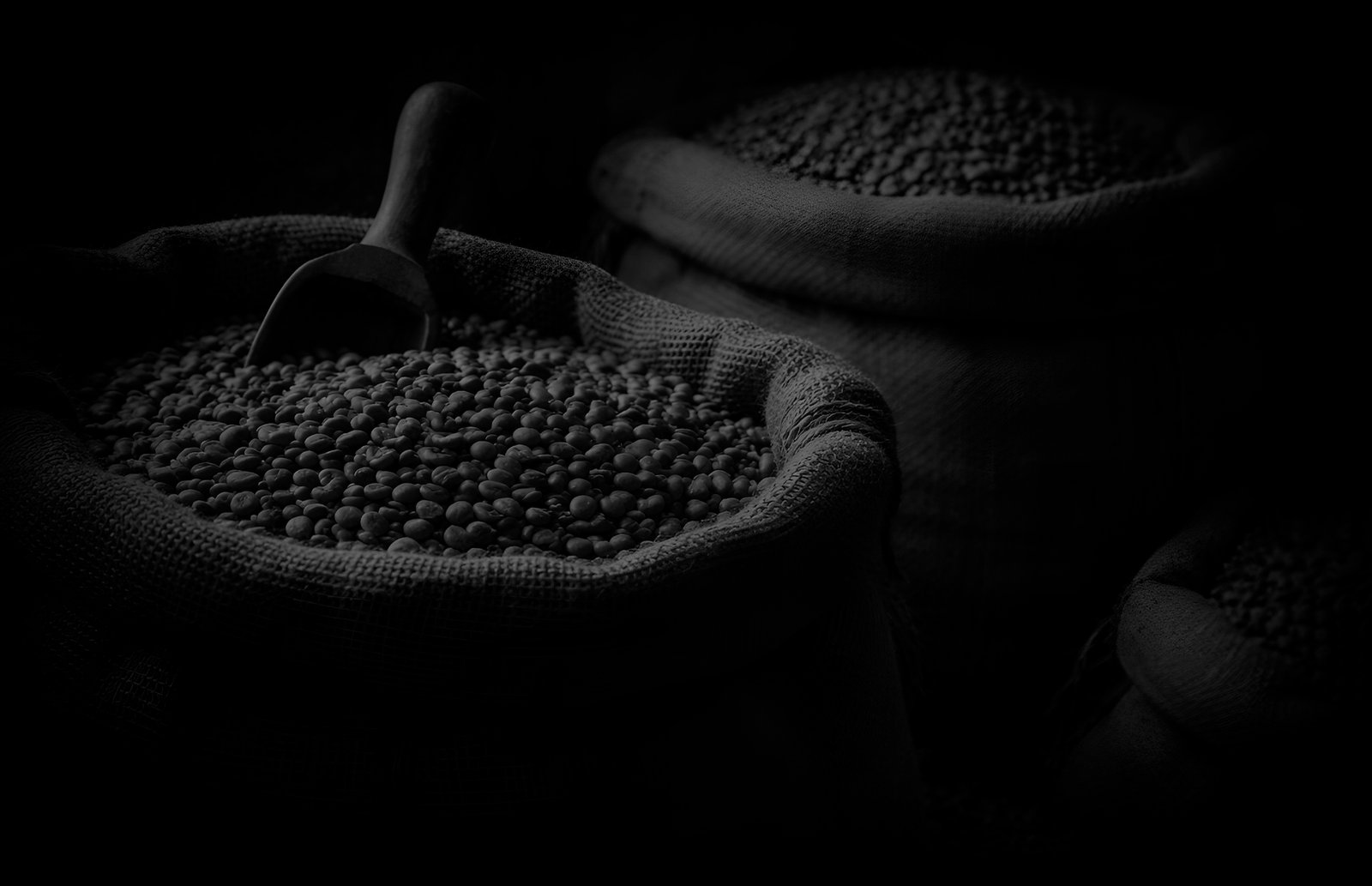
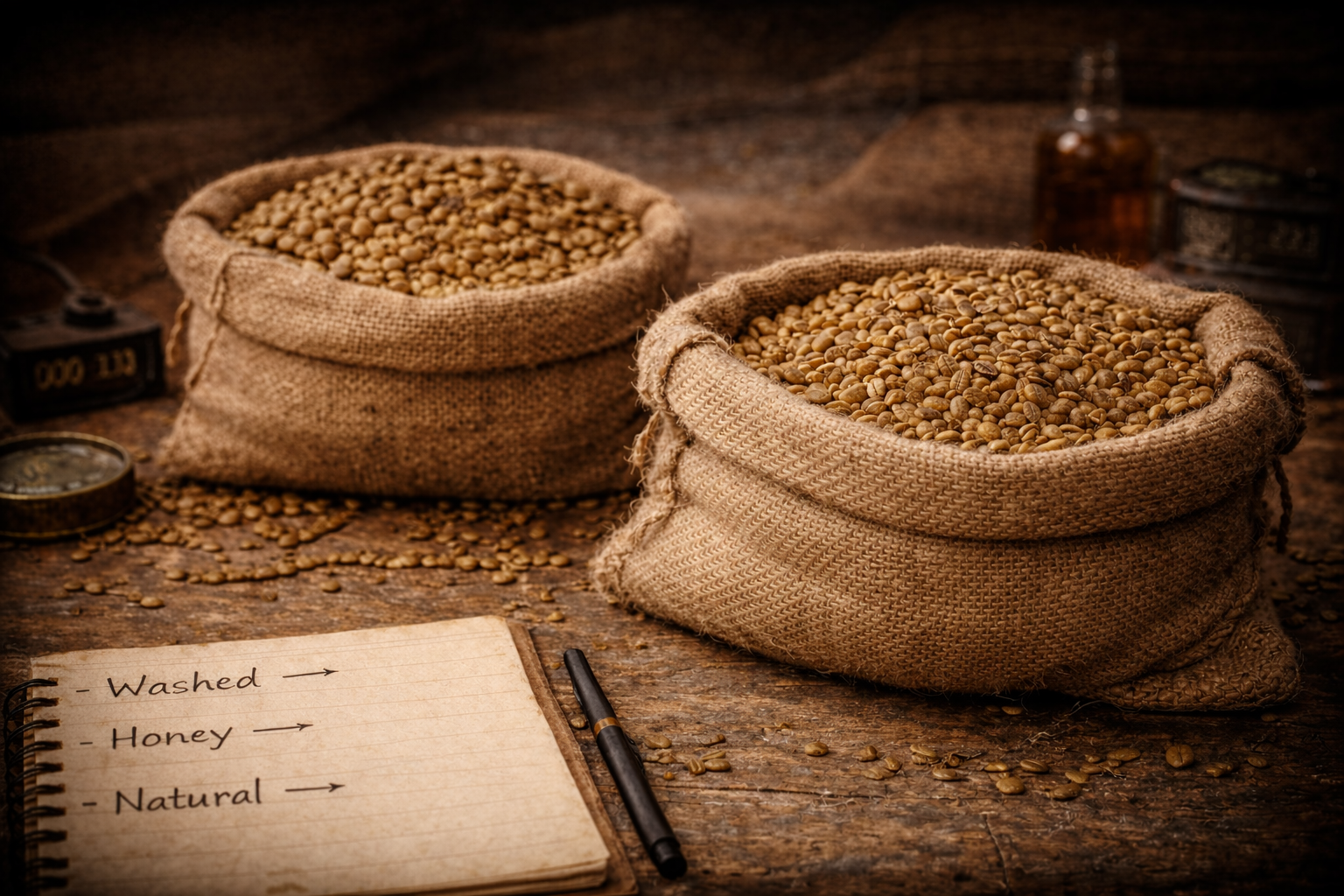
| PROCESS | WHAT YOU'RE BUYING |
| Washed | Clarity, structure, predictability |
| Honey | Sweetness, balance, complexity |
| Natural | Fruit intensity, body, higher roast sensitivity |
If you're new to roasting, don’t buy an experimental anaerobic natural just because it sounds interesting.
Buy something you can control.
Read Washed vs Honey vs Natural before choosing experimental lots.
Watch for Vague Marketing Language
Be careful with phrases like:
-
“Exotic”
-
“Ultra Premium”
-
“Top Tier”
-
“Exclusive Micro Lot”
Without data, those words mean nothing.
Good green coffee listings look almost boring.
That’s a compliment.
Evaluate the Supplier, Not Just the Coffee
Ask yourself:
-
Do they specialize in green coffee?
-
Do they provide lot-level details?
-
Do they update inventory with new crops?
-
Do they respond clearly to questions?
Reliable suppliers don’t hide behind mystery.
They explain without overexplaining.
Flags When Buying Green Coffee Online
Here’s a simple breakdown.
-
Full traceability
-
Harvest year listed
-
Processing clearly defined
-
Transparent grading
-
Real photos of the lot
-
No harvest information
-
Generic stock photos
-
No moisture data ever mentioned
-
Extremely low prices with no explanation
-
Overly aggressive flavor claims
If it sounds too dramatic, it probably is.
Price — Cheap Isn’t Always a Win
Low price can mean:
-
Old crop
-
Lower grade
-
High defect count
-
Inconsistent sorting
High price doesn’t guarantee quality either.
Look for value aligned with data.
If the supplier explains why a coffee costs what it costs, that’s trust.
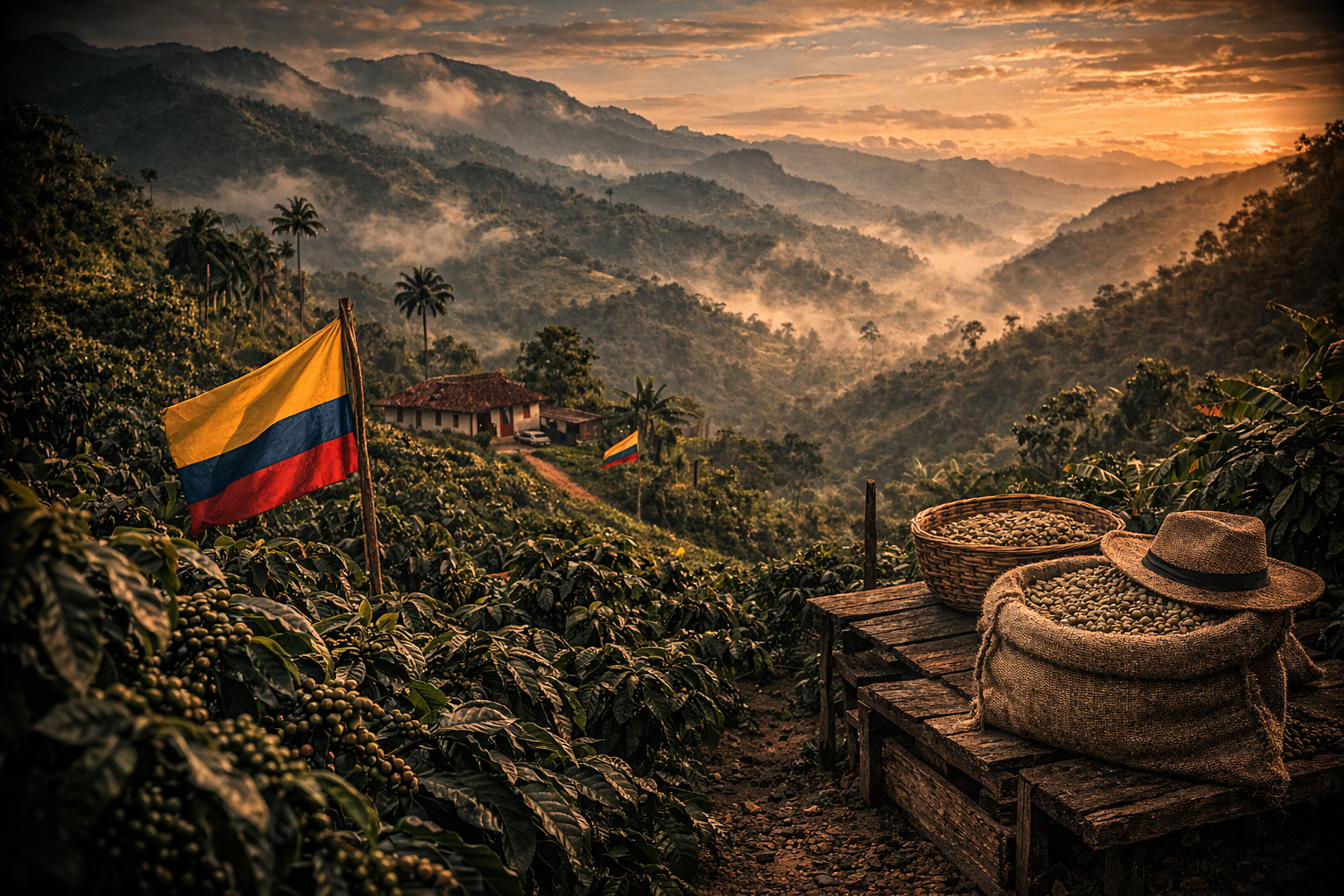
Why Colombian Green Coffee Is Often a Safe Online Buy
-
Strong grading standards
-
Export control systems
-
Washed processing tradition
-
Regional diversity
That doesn’t mean every Colombian lot is perfect.
It means the baseline quality control is strong.
For online buyers, that reduces uncertainty.
Quantity Matters Too
Start small.
If you're testing a new supplier:
-
Buy 1–2 pounds first.
-
Roast multiple batches.
-
Evaluate consistency.
Don’t commit to 20 pounds because the description sounded poetic.
Let the roast decide.
FAQ – Buying Green Coffee Online
The Quiet Approach to Buying Green Coffee
You’re not buying a story.
You’re buying raw agricultural material.
Look for clarity.
Look for structure.
Look for transparency.
When the supplier gives you clean information, you can focus on roasting instead of guessing.
That’s the difference.
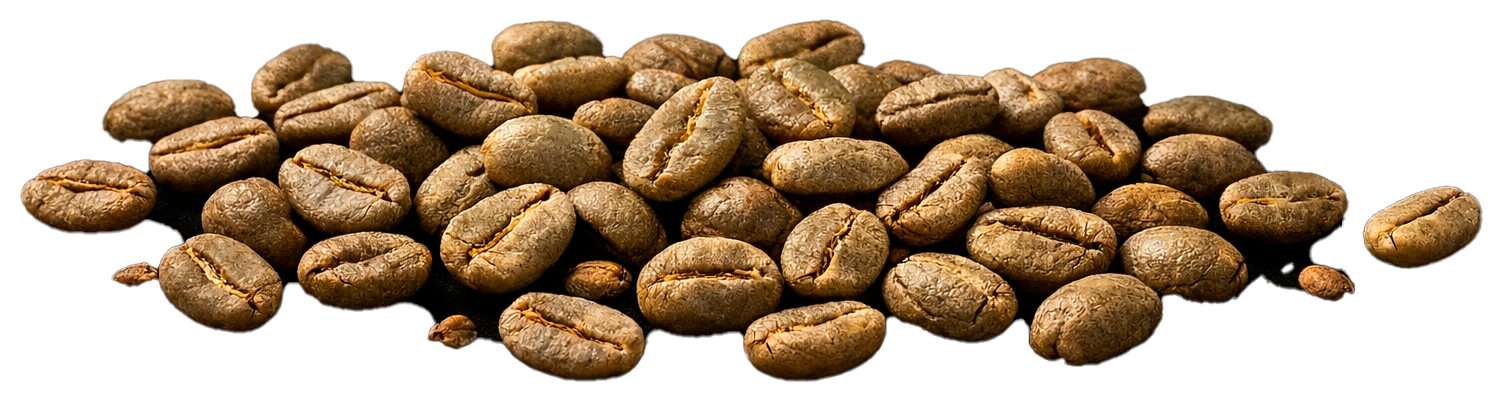
Buy green coffee the same way you roast it.
With intention.
Explore our current specialty Colombian green coffee lots — fully traceable, clearly described, no noise.